Suspicion

Only Hitler could have brought the disparate Allies together

‘Allies,’ declared Stalin on 8 February 1945, the fifth day of the Yalta Conference, ‘should not deceive one another.’ In order to defeat Hitler, Mussolini and the Japanese, the British, Americans, Soviets, French and Chinese had indeed all worked closely together. But in his meticulous, scholarly and highly enjoyable history of the second world war, Tim Bouverie makes plain just what this entailed: a collaboration that was both deep and rivalrous, riven by secret deals, prejudice, changing loyalties and betrayals, conducted by people who at different times admired, feared and despised one another, while in public most often remaining models of civility.

Mounting suspicion: The Fate of Mary Rose, by Caroline Blackwood, reviewed

‘She was dead even before I became aware of her existence.’ The menacing opening line of this gripping novel is not about the title’s Mary Rose but about another six-year-old girl, Margaret Sutton, who has been abducted, raped and murdered in the Kent woods. The story is told from the perspective of Mary Rose’s father, Rowan Anderson, who spends most of his time in London, writing a biography of the scientist Hertha Ayrton and feuding with his possessive girlfriend, Gloria. He periodically visits his daughter and his wife, Cressida, in their country cottage.

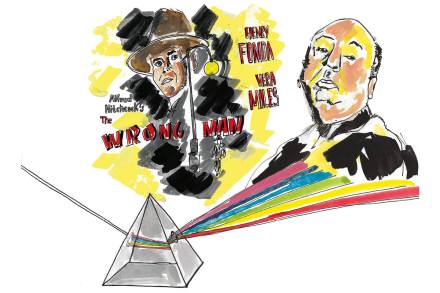
Finding the warmth in Alfred Hitchcock’s filmography

From our US edition

Alfred Hitchcock: the master of suspense. We grew up seeing his entertaining thrillers on TV, beautifully made movies about elegant people in danger. The glamour of To Catch a Thief; Cary Grant as the wrong man on the run in North by Northwest; Tippi Hedren looking chic with her chignon, brutally attacked in The Birds by the titular avian menace. Don’t look for heart, though. These were emotionally detached films, weren’t they? In his publicity Hitchcock joked about murder. He said that Psycho was a dark comedy. His TV programs were full of gallows humor. Critics said he had an ironic Englishness. Chilling and chilly. Maybe it’s the Celt in me, but I don’t quite see the films like that. Yes, I spot the irony, and that’s part of their appeal.

Hitchcock

The finger of suspicion: Ordinary Human Failings, by Megan Nolan, reviewed

A toddler has gone missing on a council estate in London. Tom, a tabloid journalist, gets the whiff of a story that she may have been killed by another child, Lucy Green, the daughter of a young Irishwoman, Carmel. But Carmel is sunk in the misery of her first and only love affair in Waterford, which left her pregnant. She has never bonded with her daughter, seeing her as ‘a tiny, rabid, black-haired demon from hell’ and has remained obsessed by her erotic passion for her ex. Tom is equally obsessed by his need to get the big story that will make his name – even if it may not be true. Megan Nolan, one of the new wave of strikingly talented young Irish writers, has spun Ordinary Human Failings around suffering, responsibility and lies.