Supermarkets

I keep being fooled by ‘ripen at home’ 

From our UK edition

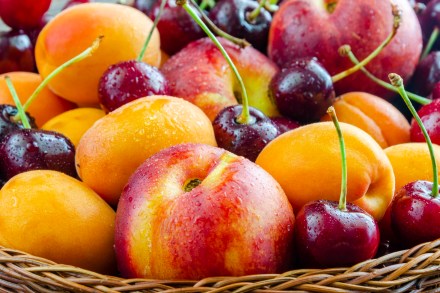
Is there a greater scam than the ‘ripen at home’ punnets of fruit that the supermarkets flog? Flimsy netted plastic of peaches, plums and apricots promise so much and deliver so little. When ripe, they need nothing doing to them at all; even cutting them with a knife feels like overkill. But, when they don’t, the result is miserable: their wooly flesh clings to the stone for dear life, and to call the flavour lacklustre would be giving it too much credit. In theory, these fruits should be a joy: representing the bounty of the season. All they should need is a day or two on the counter before they’re ripe for the taking.

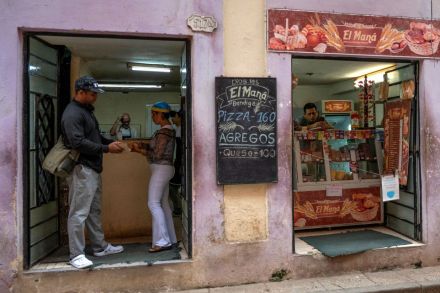
How to eat in Cuba

My apartment in Havana is on a rooftop overlooking the sea, which sounds grand and penthousey, but it’s not – it’s the former caretaker’s hut. It also sits above my parents-in-law’s place, which offers challenges, but does mean that most days I wander down for lunch. When I first moved in, I didn’t speak Spanish and so would enjoy these meals in ignorant bliss, smiling winningly as I guzzled down pork, rice and beans. I tried not to ask my now-wife to translate because I didn’t want to interrupt what I imagined were hugely erudite discussions; she’s a literary professor and her parents are both philosophers. Slowly, though, I began to understand, Spanish revealing itself like a song on the wind.

Is anything still cheap?

From our UK edition

Things used to cost approximately what you expected them to cost. Now, the price of almost every item is eye-wateringly, gasp-inducingly more than you expect it to be. The nation is reeling from a month of crippling generosity. The new cashless existence anaesthetised us a little from the financial violence as we went through Advent visiting actual shops, discovering that almost no item cost less than £50, and trying not to feel physical pain or to look at the numbers on the screen as we heard the transactional beep. Now, in January’s glare, bank statements are regurgitating our crazy Decembers.

How posh is your supermarket shop?

From our UK edition

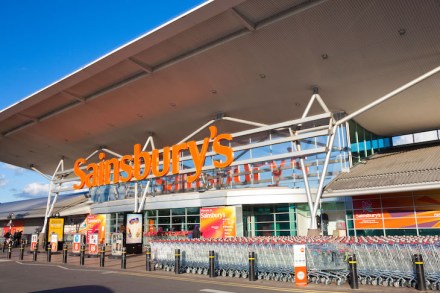
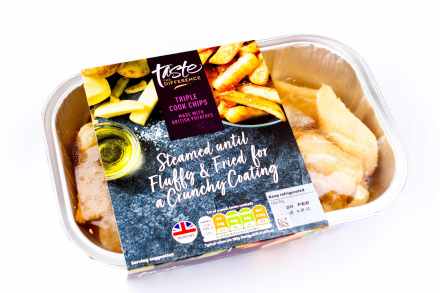
The name can’t help but invite mockery. When Sainsbury’s launched its ‘Taste the Difference’ range 25 years ago this autumn, I wasn’t alone in noting that the phrase almost begged for a question mark at the end. But the British public are (mostly) more concerned with dinner than with sarcasm. The Taste the Difference range now extends to more than 1,200 products, from Pugliese Burrata with Sunsoaked (sic) Tomatoes and Bacon Wrapped Halloumi Sticks with Hot Honey Drizzle to Anya Potatoes and Nocellara Del Belice Olives. I admit to having eaten most of the above products, despite being a keen ‘cook from scratch’ sort who loves to ramble around Electric Avenue in Brixton to buy fish, veg and lamb chops.

Gene-editing won’t save our fruit

From our UK edition

The other day, I had a dismaying experience while making my usual frugal lunch. Usually, a cheese sandwich does me. Two slices bread, salted butter, thick bits of the maturest cheddar Ocado has to offer, and a grind of salt and pepper: a lunch fit for a king. But even kings like to change things up a bit from time to time. Custom has an established track record of staling things. So when I spotted, lurking at the bottom of the crisper, a solitary tomato, blemishless and an inviting deep red in colour, I thought: what the hell, you only live once. A cheese and tomato sandwich it would be, and hang the expense.

Why are we routinely buying disgusting bread in Britain?

From our UK edition

‘Bread is simple. Or is it?’ That is the question David Wright poses about a keystone food that spans the globe and the whole of history. Breaking Bread examines the science behind the ur-loaf, the development of the Chorleywood method, the economics of selling the stuff, the role that it has played in religion and politics – and what its future might look like. The author is a third-generation baker. After a childhood spent in the Suffolk bakery his father owned and ran (Wright’s birth was announced in the bakery shop window: ‘I smelled bread, played with the dough, tasted it even before I have memory’), he left it all behind for university and a career in the theatre. But he returned to the family business in 2012 to try to save it as it floundered financially.

In defence of the supermarket

From our UK edition

Supermarkets are once again back in the firing line. Henry Dimbleby, the Leon co-founder turned government food tsar, has blamed the current food shortages on their ‘weird culture’. When food is scarce UK supermarkets won't raise their prices, he claimed. It leads to growers selling less here and more in Europe, exacerbating shortages. He wasn’t alone in blaming supermarkets. Last month, in an attempt to absolve the government of blame, food and farming minister Mark Spencer demanded the heads of big chains join him for a discussion on 'what they are doing to get shelves stocked again.' In the end, only middle-management showed up.  The average supermarket stocks 20,000 items with around 40 types of vegetables on the shelves. Over 1.

In praise of the country store

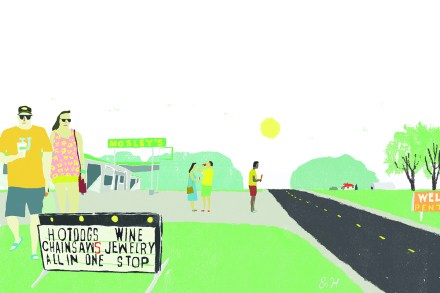
In our age of branded everything, I suppose it should not surprise that the country store, that artifact of an older rural landscape, should have gotten the treatment too. Play the word-association game with Americans today and for “country store” you’re likely to get “Cracker Barrel™,” the publicly traded chain of folksy restaurants/retail emporia strung along the interstate system and specializing in a long menu of so-called comfort food, clean restrooms and rockers on the porch. Do not be deceived. Lunch at Mosley’s Store in Pintlala, Alabama, sixteen miles south of Montgomery on US Route 31, the old Mobile Road, bespeaks a different reality. It has to do with food, tangentially.

country