Style

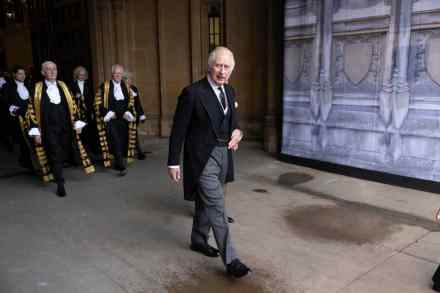
Even the Queen’s clothes evoked her sense of duty

Queen Elizabeth II was a bright spot in the world in more ways than one. She was, by all accounts, a warm and gracious monarch who led her country through storm after storm with “timeless decency and an enduring calm,” as Australia’s prime minister put it. Yet despite her reserved demeanor and steadfast sense of duty that harkened to a much more modest age, the Queen had what appeared on the surface to be a surprising sartorial sense. Do a quick Google Image search for “Queen Elizabeth style” and you’ll see what I mean. Her outfits were often brightly colored and recognizable. Despite this, though, she wasn’t known, as Princess Diana was, for being a trendsetter, exciting fashion magazines and red-carpet commentators with “look what she wore!” moments.

Neckerchiefs are a sartorial risk worth taking

From our UK edition

Neckerchiefs are an oddity. Once the cowboys' sweat-wiping tool, they are now a key accessory in the glamour – or camp and borderline tack – of a flight attendant’s uniform. My approach to them tends to sit somewhere in the middle. Neckerchiefs are useful, stylish, rebellious, but comforting – a rare choice for men’s fashionwear. A neckerchief can spice up a dull-coloured shirt without imprisoning your neck in a collar choked by its distant relative, the tie. But before becoming the fabric embodiment of smart-casual, the neckerchief was wholly utilitarian. Sailors began wearing them in the 16th century to combat the discomfort caused by dripping sweat rubbing against their stiff-collared shirts.

Tweed is of the essence

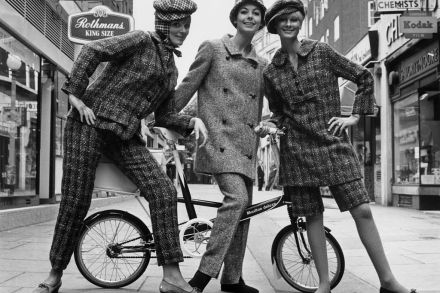
Rushing through Dulles Airport after a trip abroad this winter, I noticed a policeman following quickly but discreetly behind me. Not having smuggled any sausages or cigarettes on that particular flight, I was of clear conscience, and nodded hello at him when he caught up. All he said was: “Love the jacket.” It was a heavy, scruffy, brown herringbone tweed. People like tweeds. When I wore one, my parents’ friends used to tell me what a nice-looking young man I was. At college, women I didn’t know would occasionally run a fingertip down the sleeve and say, “Mmm.” Never found out what that meant. Too late now. The cop’s compliment was a bit different. There was pity in it. “My wife’s grandfather had one,” he said. “That’s old-school.” I suppose he was right.

tweed

The season for seersucker

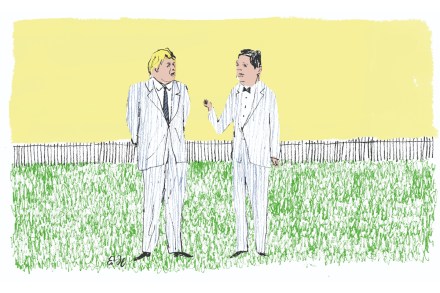
'To every thing there is a season,' we read in Ecclesiastes, and summer is the season for seersucker. No fabric is better suited for long summer days. Its lightness reflects the sun. Its pucker ventilates the skin. Rather than avoid the heat, seersucker dresses up for the hot occasion. Summers in New York are infernally hot. Seersucker makes it livable, if not always desirable. Since fashion dictates that seersucker only emerge between Memorial Day and Labor Day — timing that varies as you head south — its absence also makes its return that much more rewarding. As the weather warms, out it comes, radiating the light of summers past.

seersucker

The return of the cigar

From our UK edition

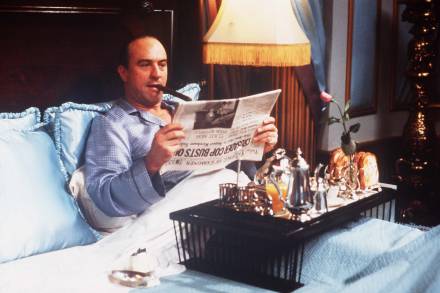
Once mainly associated with portly, middle-aged men of a certain social standing, cigars - along with single malt whisky, fine wine, decent watches and interesting cars - have become part of the arsenal of interests that anyone who aspires to be a 21st century gentleman is almost required to hold dear.  But the current enthusiasm for cigar smoking is merely the latest stage in a slow burn of popularity that can be traced back to the so-called 'loadsamoney economy' of the late 1980s, when flash city boys saw a top quality Cuban as just another hedonist's accessory on which to splash a large amount of cash.

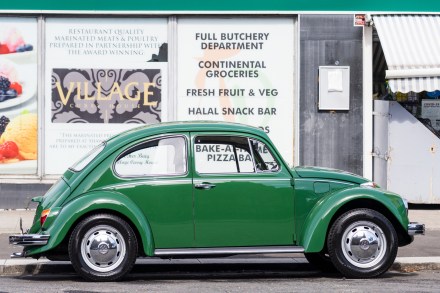
Could a classic car save you money?

From our UK edition

It's often said that classic cars are one of the best investments around, with some models outstripping the profits to be had in property, art and even gold. The problem is, it's not really true. Yes, if you were smart enough to buy, for example, a McLaren F1 for £2m a decade ago then you could cash it in today for a tidy profit of at least £8m, and if you happened to snap-up a Ferrari 250GTO in the late 1990s for what might then seemed like an astronomical $7m, it could now be worth something approaching seven times as much.Other blue chip collectable classics have also performed exceptionally well, such as the Porsche 911 2.

Forget the Budget – who is Rishi Sunak’s tailor?

From our UK edition

I was at a straight forward shooting weekend up in North Yorkshire in early January. During elevenses, passions around Brexit and the general election were fiery even before the sloe gin had kicked in. From the estate owner to the gamekeepers and beaters, they all said the same thing, “we saw it coming”. They poured scorn on some MPs who had returned their seat, from both sides of the political divide. Most fascinatingly, they all agreed on something one of them said, “well we have Rishi Sunak as our MP and he is terrific.” I’ll take their word for it.

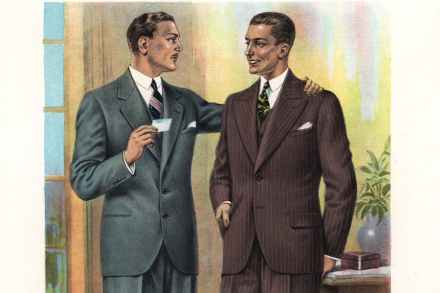
Why will so few shops sell me at three-button suit

From our UK edition

Last week I walked along Jermyn Street, spiritual home of the gentleman’s suit, and noticed something shocking. The jackets in the shop windows had lots of materials — tweed, cotton, wool — in all colours, shades and checks. But every single jacket had two buttons. When did tailors get so boringly uniform? Why has the three-button suit — the classic style that dominated the 20th century — been wiped off the map? As a diehard three-button man, am I a fogeyish dinosaur, a walking Bateman cartoon: ‘The Man Who Wore a Three-Button Suit in the 21st Century’? I seek solace (and a new three-button suit, in storm- grey, 13-ounce birdseye wool) from Tina Loder, a tailor for more than 30 years, and one of the few women tailors on Savile Row.