Sam Mendes

When will the Beatles bandwagon end?

From our US edition

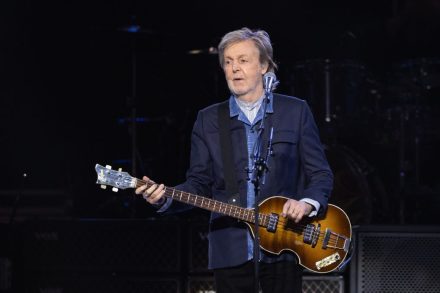
The Beatles broke up in 1970, but you wouldn’t know it from the activity of the last few years. In no particular order, we have had an underwhelming valedictory single, “Now and Then,” raised from the dead thanks to the wonders of artificial intelligence and Peter Jackson alike; an eight-hour – eight!– documentary, Get Back, resurrected from the footage of the Let It Be sessions; and now, an all-singing, all-dancing reissue on Disney+ of the Nineties Anthology documentary series, which has been promoted with the fourth volume of offcuts and rare tracks from the band’s career, appropriately titled Anthology 4.
The 2025 Oscars is the hardest to predict in a long time

From our US edition

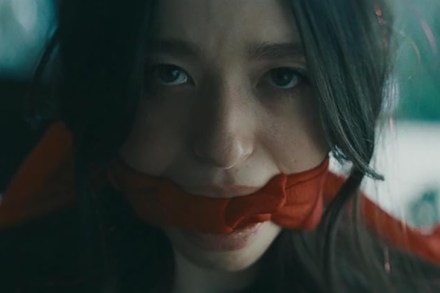
Usually, by the time the BAFTAs — now comfortably established, along with the Golden Globes, as a dress rehearsal for the Oscars — roll around, it is fairly clear which film or films are likely to be taking gold at the Academy Awards next month. Thanks to the often frenzied behind-the-scenes lobbying and intriguing of various well-paid publicists, a storyline will emerge, and it is only in relatively rare cases that there will be a genuine surprise on the night. After all, nobody wants to spend a fortune on promoting (or celebrating) a lost cause. This year, however, is wildly unpredictable, and in fact is the first occasion since 2019 that it’s genuinely difficult to know which film is going to be triumphant.

anora oscars

Riveting and sumptuous: The Motive and the Cue, at the Lyttelton Theatre, reviewed

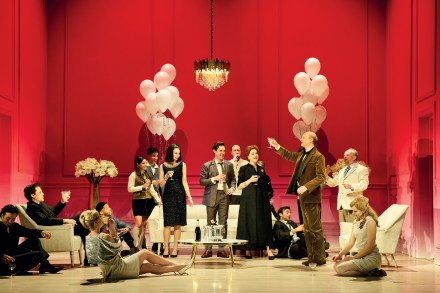
The Motive and the Cue breaches the inviolable sanctity of the rehearsal room. The play, set in New York in 1964, follows John Gielgud’s efforts to direct the world’s biggest film star, Richard Burton, in Shakespeare’s most demanding play, Hamlet. A member of Gielgud’s company, Richard L. Sterne, recorded the process and his notes form the basis of Sam Mendes’s riveting production. The show is a must for anyone who works in the theatre or wants to. Directors, in particular, will relish the glimpse it offers into Gielgud’s approach to a uniquely demanding text and to a wayward superstar who was free to accept or to challenge the notes given during rehearsals.