Ring cycle

Royal Opera’s Siegfried is magnificent

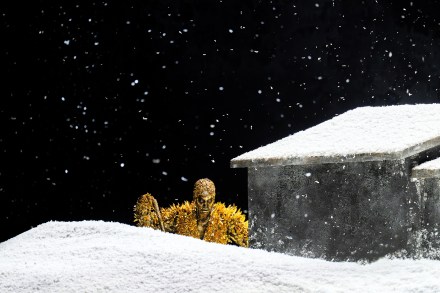
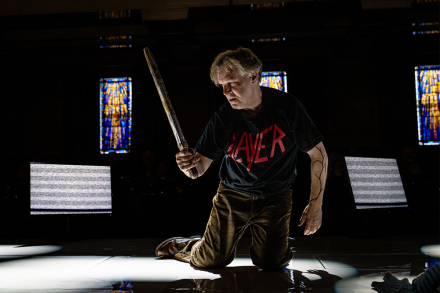
Covent Garden’s new Ring cycle has reached Siegfried, and once again, you can only marvel at Wagner’s Shakespeare-like ability to anticipate modern preoccupations. Want to talk about the manosphere? Well, here’s opera’s most profound study of the playful, disruptive, world-making energy of the adolescent male psyche. The least interesting thing that you can say about Siegfried is that he’s an impulsive oaf. Well, duh. Have you never met (or if you’re really unfortunate, been) a teenage boy? Wagner could hardly make it more clear. Siegfried’s upbringing has been toxic. He has been isolated from humanity, and his only inkling of love has been brutally transactional. He’s the eternal disposable male;

Our half-time scorecard on the Royal Opera’s Ring cycle

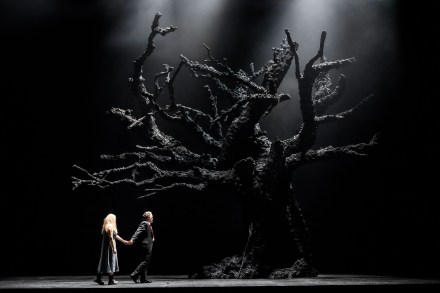
With Die Walküre, the central themes of Barrie Kosky’s Ring cycle for the Royal Opera are starting to emerge, and one of them seems to be wood. Not trees, so much; at least not as a symbol of life. After the rapid assembly of a world from theatrical nothingness (a bare stage), Hunding’s forest hall is simply a wall of blackened planks, with no World Ash Tree in sight. Then you notice the protruding hilt of the sword Nothung: no, that is the World Ash Tree, and Hunding has recycled it into building material. We knew he was a wrong ’un, but really: this is Sycamore Gap-level wickedness. Various ex-trees

Regents Opera’s Ring is a formidable achievement

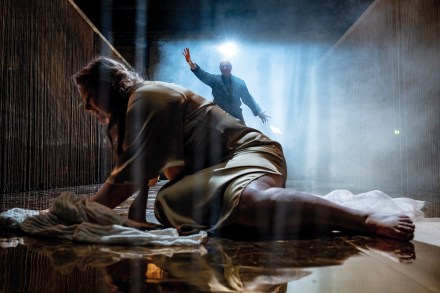
I saw the world end in a Bethnal Green leisure centre. Regents Opera’s Ring cycle, which began in 2022 in Freemasons’ Hall in Covent Garden, has found its culmination and completion at York Hall, a rundown public bath better known for championship boxing. Tower Hamlets security staff scan you for concealed weapons on the way in, which is not exactly typical at the opera. Still, the Ring is not a typical opera – and isn’t art supposed to feel dangerous? But once you’re inside – and as long as you’re not seated within earshot of the bar staff, who clatter and chatter throughout – Caroline Staunton’s scaled down production transfers

On the evidence of their Siegfried, Regents Opera’s Ring will be well worth catching

It’s sometimes said that if Wagner were alive today he’d be making movies, but come on – really? A generation of Wagnerites has grown up for whom the first and definitive encounter with Der Ring des Nibelungen was on the small screen – in my case, the BBC’s early-eighties serialisation of the Bayreuth centenary production. What lingered was not the spectacle, but the intimacy: Donald McIntyre and Gwyneth Jones enveloped in darkness, reaching into each other’s souls. If you grew up with Wagner on TV and came of age, culturally speaking, around the time The Sopranos first aired, it seems obvious that the Ring isn’t some effects-laden Marvel blockbuster before

40 per cent sublime, 60 per cent ridiculous: ENO’s The Valkyrie reviewed

It’s the final scene of The Valkyrie and Wotan is wearing cords. They’re a sensible choice for a hard-working deity: practical but with a certain retro flair. Slumbering under a red puffer jacket lies his daughter Brünnhilde, and as Wagner’s music yearns and flickers, the Lord of Ravens shuffles slowly around on all fours, methodically attaching the carabiners for the climactic flying effect. First one, then another. Then another. Four more to go! Possibly we’re not meant to be seeing this. Possibly it was meant to be obscured by the ‘large final fire effect’ that a slip in the programme tells us has been cut (‘despite extensive planning’) at the