Punk history

The strange endurance of Dr Feelgood

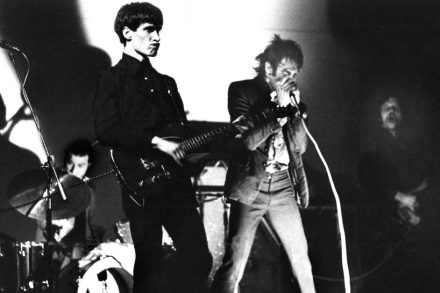
At the recent West End run of the play about Wilko Johnson, the guitarist and co-founder of 70s rockers Dr Feelgood, one exchange always got a big laugh. It was part of an argument between Lee Brilleaux, the band’s singer, and Wilko himself. Lee: We were more popular after you left. We had our biggest hits after we kicked you out of the band. I mean, do you know how many Dr Feelgood tribute bands there are now in Spain? Wilko: I dunno. And I don’t care. Lee: Twenty-seven. It is a peculiar phenomenon, this: there may be plenty of 70s bands still going strong, but most are way more successful than Dr Feelgood in terms of what used to be called record sales. Spotify, for example, currently lists approximately 30 million monthly listeners for the Rolling Stones.
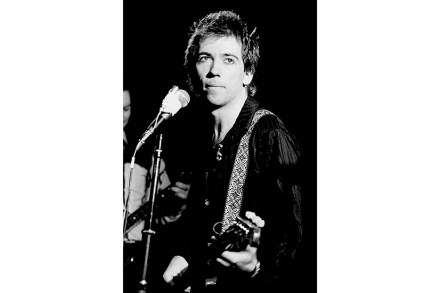
The man at the heart of punk: the late Pete Shelley recalls his Buzzcocks years

Manchester, in the words of the artist Linder Sterling, is a ‘tiny little world’. Nearly three million people live in its sprawl, but its centre is compact. Like-minded Mancunians have always found one another easily. Cultural life is febrile, which partly explains how, in the pre-digital late-20th century, England’s third city produced such startling bands: Joy Division, the Fall, New Order, the Smiths, the Happy Mondays and Tony Wilson’s era-defining Factory record label — and Buzzcocks, less celebrated, but without whom Manchester’s creative energy would have failed to detonate. Pete Shelley was Buzzcocks’s charismatic co-founder and chief songwriter, whose sharp lyrics and bratty vocals shaped much of British punk.