Protestantism

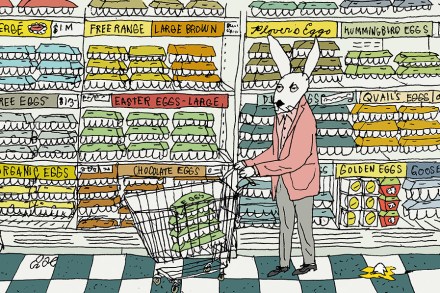
How different is Catholic and Protestant food at Easter?

I’m a New York-raised Italian Catholic, and my family’s inherited religious-cultural neuroses inform our meals every bit as much as the WASPs next door. This is particularly true at Easter, where centuries of European immigration have shaped the culinary traditions in New York. The Easter feast became a religiously sanctioned opportunity to indulge For my family, the Easter feast typically includes a herb-crusted leg of lamb (American only; New Zealand lamb is far too gamey), deviled eggs, rich scalloped potatoes, honey-glazed carrots, some fresh spring vegetables and an absurdly decadent chocolate dessert – all washed down with a robust Etna Rosso, generously poured.
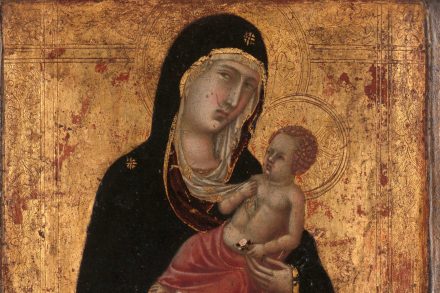
This Christmas, listen to Mary Did You Know?

A popular and poignant Christmas song, written late in the previous century for a church’s holiday program, incites passionate criticism from those who disagree with the way it phrases its message. Since first being recorded in 1991, “Mary, Did You Know?” has been performed by soloists and groups ranging from Carrie Underwood and Dolly Parton to Pentatonix, CeeLo Greene and Kathleen Battle. The lyrics are a series of questions to Mary, Jesus’s mother, asking whether she knew during his infancy about the profound impact he would make as an adult. Yet that powerful literary device annoys those who believe the song demeans its subject.

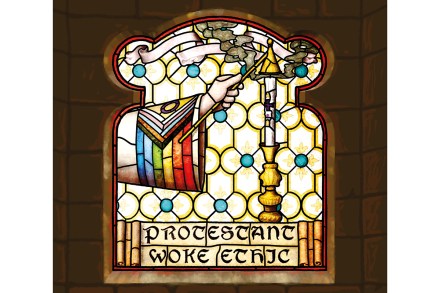
How progressivism killed American Protestantism

Mainline Protestantism, once a primary cultural and political pillar of American life, is in freefall. Traditional Protestant denominations – Episcopalians, Methodists, Presbyterians, Lutherans and others – now account for less than 11 percent of the population, down 40 percent since 2007, according to the Pew Religious Landscape Study. The Evangelical Lutheran Church in America (ELCA), the main Lutheran body in the United States, had more than five million members when it was formed in 1988. That number now stands at fewer than three million. By 2050, the ELCA projects that membership will have dropped to a mere 67,000. At that point, American Lutheranism will virtually cease to exist as a denomination – soon to be joined, no doubt, by other stalwarts of the Reformation.

Protestantism