Protectionism

Trump’s Japan deal is a hollow victory

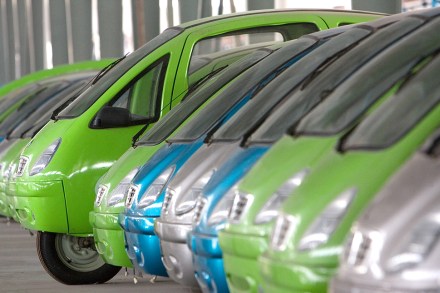
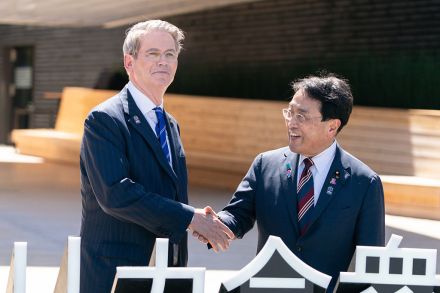
The reaction of markets to the US trade deal with Japan shows yet again that if you presage bad news with even worse news you can make people pathetically grateful at the outcome. Shares in Toyota surged by 14 percent at the news. Yet why, when the deal will see imports of Japanese cars to the US slapped with tariffs of 15 percent? Because back on "Liberation Day" in April,  Donald Trump announced that Japanese imports would be subject to 24 percent tariffs. Reactions to Trump’s reset in trade relations with the rest of the world have undergone wild swings in recent months. First, markets plunged.

Tariffs

Families are in, free trade is out at the ISI conference

Cockburn last weekend headed over to the Intercollegiate Studies Institute’s American Economic Forum. The speakers were on fire with ISI's particular brand of pro-working-class zeal, and Cockburn was lit at the VIP reception bar. Since Johnny Burtka took the helm at ISI, the right-leaning think tank has acquired a more socially conservative, economically protectionist flair, in line with Pat Buchanan, the founder of the magazine where Burtka used to work, the American Conservative. After dodging the Vice News journalists begging for an interview, Cockburn made his way over to a speech by former Trump administration trade representative Ambassador Robert Lighthizer.

rick santorum

Energy independence is a false hope

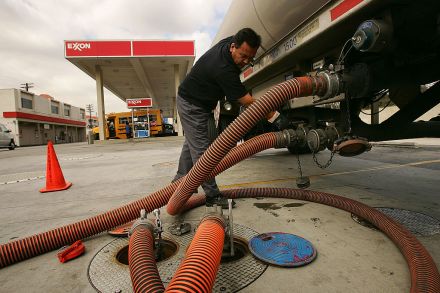
In the wake of Russia’s attack on Ukraine, gasoline and energy prices soared in the United States. While they’ve come down a bit since, it’s worth examining why war in Eastern Europe caused a spike in prices thousands of miles away — and whether a common proposal in response would have made a difference. Over the last decade, Republicans and Democrats have made “energy independence” a major policy priority. The goal in a nutshell is to produce the energy we need at home, so that the United States is more insulated economically from international disputes abroad. On this goal, advocates have made progress — in fact, the United States is already energy independent by some measures.

energy

Can protectionism bring back my father’s world?

My father was born in 1948. He’s the same age as Jackson Browne: ’65 I was 17, ’69 I was 21. His plan was to graduate from his Western Pennsylvania public high school and join the Marine Corps. The local draft board came damn close to saving him the trouble of enlisting. But near the end of his high school career, it was discovered that his girlfriend was “in a family way.” His parents briefly floated the idea of obtaining an illegal abortion. Fortunately, my 17-year-old father, his soon-to-be in-laws, and his Episcopal priest (in those days such men could be depended upon) stood firm. He and his girlfriend were married. Soon after, my half-brother was born and my father enrolled in an apprenticeship program with the International Brotherhood of Electrical Workers.

The failure of globalization and the return of inflation

Most of today’s political debates are at heart about globalization. Terrorists, tree huggers, and Trumpists have their cultural complaints, but the great wave of Western populism is fueled by economic anger. Owing to the large amount of money that has been printed, financial asset prices have risen. But median incomes have stagnated. There is much truth in the claim that metropolitan elites have prospered, while the unvisited hinterlands have lost out, and much danger in the myth that all stakeholders benefit equally. Has globalization failed? On its economic merits, globalization can stand tall — not through increasing everyone’s income, though it has done this in many emerging economies, but by reducing everyone’s costs.

globalization