Peaky blinders

The greatness of Sam Neill

From our US edition

The recent death of the actor Sam Neill, at the age of 78, was greeted with a mixture of surprise, sorrow and, in many quarters, unexpected grief. It is likely that Neill would have regarded the lavish tributes paid to him by actors, filmmakers and politicians with a mixture of embarrassment and quiet pride, because although he was a brilliantly versatile actor who managed to make a deep impression in virtually every role that he undertook over his five-decade-long career, he was also someone instinctively uncomfortable with the limelight.

sam neill

Why Sam Neill was so loved

Actor Sam Neill, whose unexpected death was announced today by his family, was claimed as a son by not one, but three countries. Neill’s light-hearted description of his highly-successful vigneron business reflected his approach to his acting career Born in Northern Ireland, grown up in New Zealand and first making his name in Australia, Neill was more than the “Jurassic Park actor” as first reports of his death labeled him. From the time he first enjoyed the spotlight in the 1970s Australian film, My Brilliant Career, and his BAFTA-winning portrayal of the enigmatic Sidney Reilly in television’s Reilly, Ace of Spies, to his most recent work, Neill’s career was as versatile as it was broad. Chester Campbell in Peaky Blinders was Cardinal Wolsey in The Tudors.

sam neill

The Peaky Blinders film is surprisingly literate

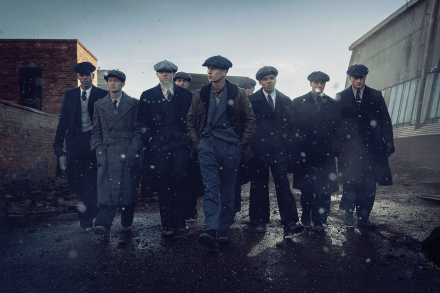
Peaky Blinders: The Immortal Man is the film that fans of the television show have long been waiting for, so I must watch what I say. The story follows a group of exceptionally violent Birmingham gangsters operating between the wars and if you see it at the cinema you’ll hear a message before the opening credits. It’s Cillian Murphy imploring audiences not to give away any spoilers and ruin it for everyone else ‘by order of the Peaky Blinders!’. There will be no spoilers here today. I have no wish to get my face slashed. There will be no spoilers here today.

The new foul-mouthed Great Expectations is as bad as you’d expect

From our US edition

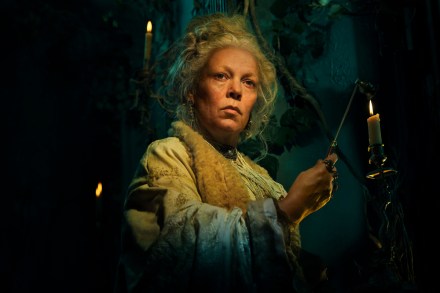
When Peaky Blinders creator Steven Knight’s adaptation of Dickens’s A Christmas Carol aired on FX in 2019, it was very quickly decided that, whatever it was, it wasn’t Dickens. From Guy Pearce’s foul-mouthed Scrooge to a scene in which Mrs. Cratchit strips and offers Ebenezer sex in exchange for money to buy the medicine she needs for her son Tiny Tim, it was a strange combination of would-be gritty social realism and hysterical prurience. It was not well-received in the United States: Salon’s comment that it was “short on joy and very, very, very long on purgatorial slogging” was typical.

olivia colman great expectations

A solid evening’s entertainment: Rambert’s Peaky Blinders ballet reviewed

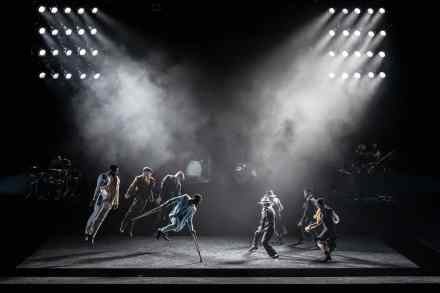
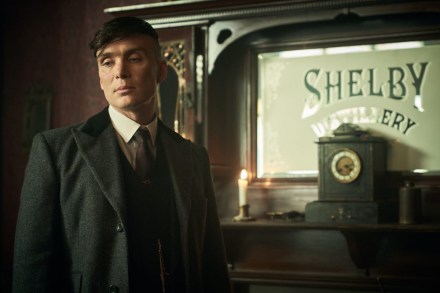
Being of a squeamish sensibility and prejudiced by a low opinion of recent BBC drama, I can claim only a superficial acquaintance with Peaky Blinders. So my response to The Redemption of Thomas Shelby, a new ballet drawing on the popular television series about gangland Birmingham during the 1920s, is that of a rank outsider. Produced by Rambert (in association with Birmingham Hippodrome), it represents the company’s admirable attempt to find a broader audience and move out of the modern dance ghetto – hence presenting the show at the new Troubadour Theatre in Wembley Park rather than Sadler’s Wells. A spot check on the demographic suggests that it succeeded: but will this crowd come back when the programme is more demanding?

The enduring appeal of Peaky Blinders

What’s the next step for a macho gangland drama that’s already built a fanbase in some 183 countries worldwide? That’s right: a collaboration with one of the highest regarded companies in UK contemporary dance. When it opens in September at Birmingham’s Hippodrome theatre, The Redemption of Thomas Shelby – a 20-strong dance production from the South Bank’s Rambert Dance Company – will mark yet another cultural milestone for Peaky Blinders: the BBC’s historic drama about a gang of Brummie ruffians who ran parts of the city between the two world wars.

Is Peaky Blinders past its peak?

From our US edition

This article is in The Spectator’s inaugural US edition. Subscribe here to get yours. Peaky Blinders would have you believe it’s the best of British: sharp suits and vests, the workingman’s flat cap and the gangster’s slo-mo swagger, the chug of Anglo alternative rock, and a smörgåsbord of regional accents, Academy Award-nominated guest stars and oh-look-I-remember-him cameos from historical figures. These are the ingredients of Britain’s answer to the American sagas that set new standards for television: The Sopranos, The Wire, Breaking Bad. Yet there’s always been the whiff of style over substance to Peaky Blinders, a sense of looking back without seeing anything new.

peaky