Did the Bayeux Tapestry succeed as a tool of Norman propaganda?
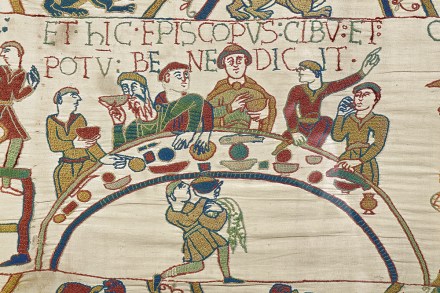
It makes for a good pub quiz question: what has 632 people, 202 horses, 55 dogs, 41 ships and only six women? Along with the UK’s heatwaves came Bayeux Tapestry fever as the Canterbury Embroidery returned to England for ten months after something approaching a millennial sojourn in France. The British Museum was barely able to cope with the demands on its website for the first tranche of tickets to visit the exhibition. It is easy to see why. The Tapestry depicts, in an abundance of endlessly fascinating detail, that most famous date in English history: 1066. In popular perception, the doughty Anglo-Saxons narrowly lost to that bastard Duke William and his land-grabbing Normans at the Battle of Hastings, consequently being forced to submit to the Norman yoke.