Nuclear deal

The ADHD administration

From our US edition

At the start of the second Trump administration, the words on everyone’s lips were “breakneck speed.” On the day of his inauguration, Donald Trump declared a border emergency, designated drug cartels as terrorist organizations and challenged birthright citizenship. He withdrew from international climate agreements and ditched Joe Biden’s mandates on electric vehicles. He rescinded various Diversity, Equity and Inclusion initiatives. On January 20, 2025, he issued pardons for individuals connected to the 2021 riot on Capitol Hill. And he established the Department of Government Efficiency (DoGE), which empowered Elon Musk to begin hacking away at federal bureaucratic bloat. Trump signed 143 executive orders in those first 100 days, more than any previous president.

Will Trump ‘totally obliterate’ Iran’s nuclear program – again?

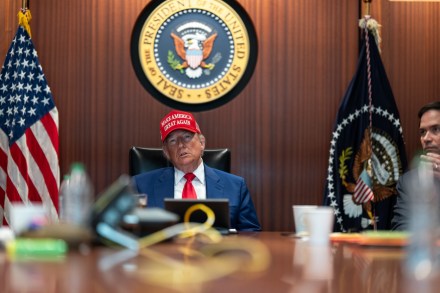
Donald Trump spent much of the second half of last year boasting about the total and utter success of his military strikes on Iran. “As you know,” he said in August, “we took out the nuclear capability of Iran, and to use the term that people try to dispute without any knowledge, it was obliterated.” Iran’s nuclear program, he assured the world, had been set back by “decades.” Yet yesterday, just six months on, there he was again – meeting Israel’s Benjamin Netanyahu once more to discuss the urgent need to prevent Iran from developing a nuclear weapon.

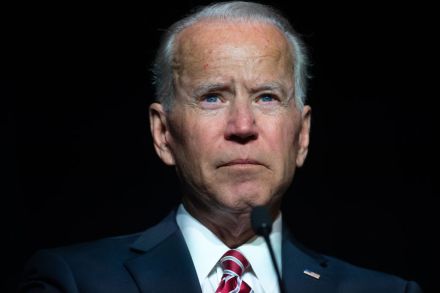
Biden’s confusion over sanctions

From our US edition

Russia’s military aggression against Ukraine requires a swift and effective Western response. But according to neoconservative and liberal internationalist pundits like columnist Walter Russell Mead, the invasion marks nothing less than an assault on the “world order” akin to Nazi aggression at the opening of World War II. “Not since Hitler attacked the Soviet Union in 1941 has a European leader committed an act of aggression as brutal or as nakedly cynical as Mr. Putin’s unprovoked attack on Ukraine,” Mead writes in the Wall Street Journal.

Can Iran’s ‘butcher’ president make peace with the Saudis?

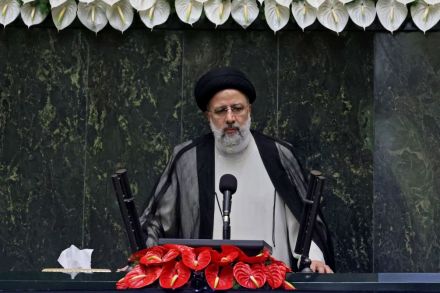
It’s official: after eight years of a relatively pragmatic administration, Iran is now under new management. Ebrahim Raisi, a disciple of Supreme Leader Ayatollah Ali Khamenei and the former judiciary chief, was inaugurated this week as Iran’s next president. Clad in a white shirt, black robe and thin-framed glasses, Raisi accepted a task that will likely prove to be his toughest assignment in a decades-long career serving the Islamic Republic system.  Protests over poor public services, like water shortages, are becoming more frequent. While the International Monetary Fund projects Iran’s economy to grow at 2.5 per cent this year, the country is in the midst of a highly fractious period.