New York Stock Exchange

The Panic of 1873 seems eerily familiar

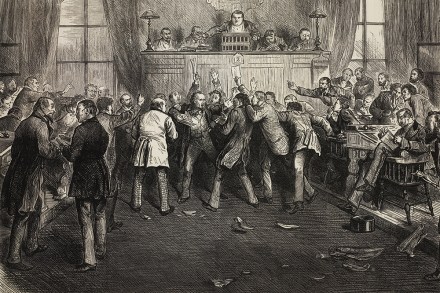
On 18 September 1873, the leading American bank Jay Cooke & Co collapsed after a disastrous bet on the railroad boom. Like the bankruptcy of Lehman Brothers in 2008, it was a watershed moment in an unfolding global financial crisis. Yet ‘the first Great Depression’, which lasted until 1896, is now mostly forgotten, despite some intriguing parallels to contemporary events and a fascinating dramatis personae, which includes the Rothschilds, Ottoman sultans and Otto von Bismarck. The Panic of 1873 and its aftermath took place in a period of financial globalisation and technological growth, with bond markets funding the epochal projects of America’s first transcontinental railroad and the Suez Canal. US railroads were the artificial intelligence investment of the day.
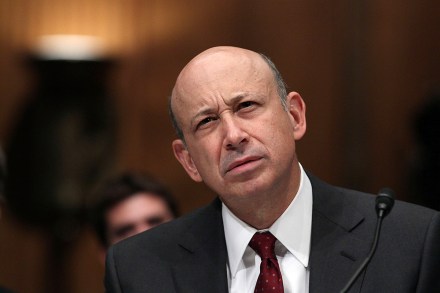
Lloyd Blankfein – guiding light of Goldman Sachs

Goldman Sachs inspires awe and envy in equal measure. Those who survive the Wall Street investment bank’s annual cull earn fortunes. Leavers join an alumni network that makes the Freemasons look like plodders. The ‘Government Sachs’ roll call includes prime ministers (Mark Carney, Mario Draghi, Rishi Sunak and Australia’s Malcolm Turnbull); US Treasury secretaries (Bob Rubin and Hank Paulson); and central bank governors galore, not to mention two recent BBC chairmen (Gavyn Davies and Richard Sharp).  After the global financial crisis, which Goldman navigated more adroitly than rivals, Rolling Stone compared the bank to ‘a vampire squid wrapped around the face of humanity’. New York magazine ran a cover story which asked: ‘IS GOLDMAN SACHS EVIL?