New orleans

‘I love King Chuck, but I am not going to ruin a suit for him’

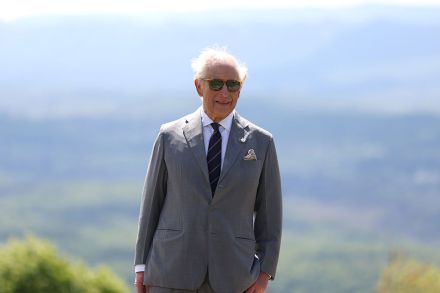
So the royal visit was a resounding success. Charles III got whisky tariffs dropped, Trump got a shiny new bell, the “Special Relationship” (yuck) endures. If only the weather could have played ball for Tuesday morning’s White House greeting. The President branded the spattering rain and cloudy skies “a beautiful British day.” One member of Congress saw the forecast and decided to give the festivities a miss: Senator John Kennedy of Louisiana, who opted to wait for the King to give his joint address indoors that afternoon. “I love King Chuck, but I am not going to ruin a suit for him,” Kennedy was overheard telling reporters. Quite. The state dinner Tuesday night produced a minor slip-up for the New York Times.

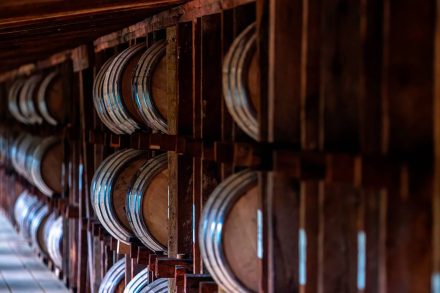
When it comes to bourbon, provenance matters

My wife Amber and I returned home, to the heart of where it all began for me – the Bluegrass. A day at the races at Keeneland felt like stepping into a painting: the autumn sun catching the coats of the Thoroughbreds, the crowd humming with excitement. The next night, we watched on as the Kentucky Wildcats nearly toppled Texas under the lights at Kroger Field, the air electric with hope. But it was afterward, on the backroads, that Kentucky spoke loudest. Horses grazed behind old stone fences; the sweet, yeasty scent of mash rolled out of the distilleries that dot the countryside. In those quiet miles, I remembered how deeply I love this place and how fiercely I’ll defend her bounty, both her people and her goods.

Bourbon

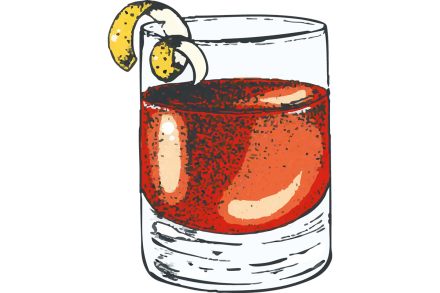
The Sazerac: an old favorite… from New Orleans

As the Super Bowl rolled into New Orleans, with Kendrick Lamar and his flared jeans in tow, I was thinking about the many contributions that this small Louisiana city has brought to the cocktail bar. There’s the creamy green Grasshopper, the French Quarter’s whiskey-based Vieux Carré, the tropical rum punch Hurricane and, of course, the comically difficult Ramos Gin Fizz – which blooms up in a tower of egg-white froth. But perhaps the oldest, most widespread and most conventional is the Sazerac: it is considered one of America’s oldest cocktails, having been served in New Orleans from the late 19th century.

A sip of the Vieux Carré

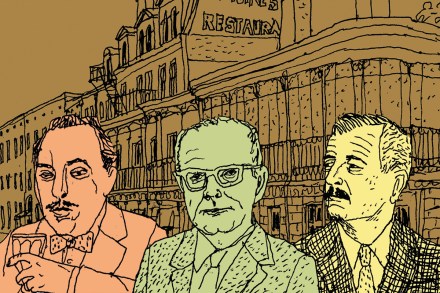
It’s 1951 and the Hotel Monteleone burns bright, a gilded island of light and liquor adrift in the New Orleans dark. Inside, the air is thick with the sweet tang of cigar smoke and the murmurs of polished conversation. Over in the Swan Room, the trumpets blare, their brassy notes cutting through the gentle chatter, their absence filled with the lively, gravelly voice of Louis Prima. The crowd sways in rhythm, caught between the pulse of jazz and the flicker of chandelier light. Outside, the French Quarter is still alive.

Vieux Carré
booker

Booker prized

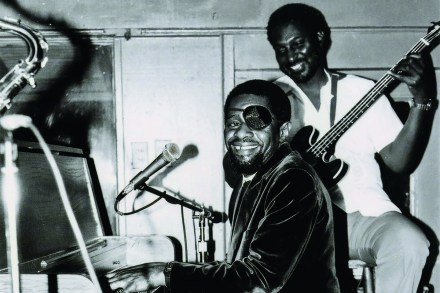
Dr John called James Booker ‘the best black, gay, one-eyed pianist New Orleans has ever produced’. Booker died in 1983, aged 43, ruined by drugs, drink and madness, and attended by legends of delinquency lurid even for a New Orleans piano ‘professor’. Though he had appeared on plenty of other people’s records and stages, Booker had recorded only three studio albums in his lifetime. Classified, recorded in October 1982 and now re-released on vinyl, was the last of them. It might not be the best of them, but it shows why Booker was one of the greats. The studio was booked for three days, but Booker had a breakdown the week before and couldn’t get a good take down in the first two days.

The delusion that unites Biden and Macron

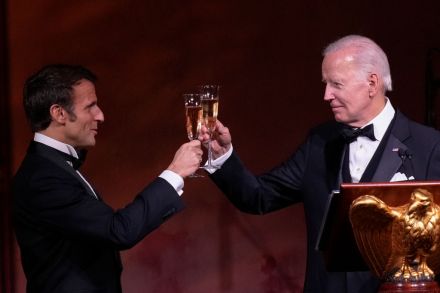
Friday, and it was hard to tell whether we were witnessing a clash of civilizations or a reconvergence. After a state dinner with Joe Biden in Washington, France's president Emmanuel Macron touched down in New Orleans, that most French of American cities, where he was greeted on the tarmac by a jazz band. If you've ever wanted to see a Frenchman cut a rug, now is your chance (though it was Macron's wife Brigitte who seemed the looser of the two). From there, Macron was off to the French Quarter, where he received a personal tour from New Orleans mayor LaToya Cantrell. And really, I just hope they did it right. I hope they took him to Bourbon Street and emerged on that one block with Larry Flynt's strip club and the giant sign: "Relax. It's just sex." (Told you it was French.

Horrors of the plantation

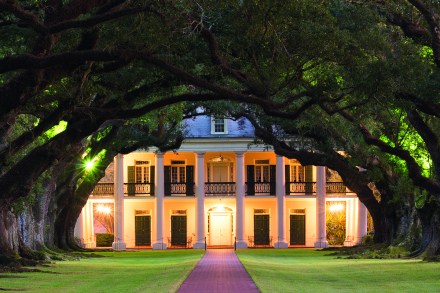
I am not American and I am not descended from British slave owners, but I was shocked when I read a letter from the 1860s that my Irish great-grandfather wrote to his brother from Peru, acknowledging receipt of a ‘shipment of Chinese coolies’ in the guano trade. John Cummings III of Louisiana is also of Irish origin, and his ancestors never owned slaves either. But in 2014, Cummings, a retired lawyer, and his wife Donna used $8.6 million of their own money to create the Whitney Plantation Museum at Wallace, just under an hour from the French Quarter of New Orleans. The Whitney museum is America’s first and so far only museum of slavery. My cousin and I drove there from New Orleans on a bitter winter’s day. There is no café.

plantation

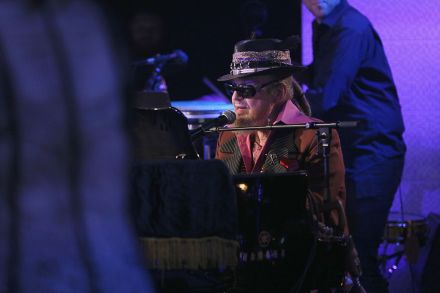
Dr John, eminence gris-gris

If they asked me, I could write a book about Dr John, who died on Thursday aged 77. He was a sideman, a showman, a kind of performance artist with his Dr John Creaux the Night-Tripper alter ego and the music-hall voodoo of songs like ‘Walk on Gilded Splinters’, a songwriter but, above all, a piano player whose every phrase could only have come from his native New Orleans. In 1956, when he was 14 and still Malcolm John Rebennack, Jr. the son of an appliance vendor who fixed record players and sold records, Dr John met Professor Longhair, who was no longer Henry Royland Byrd and who had developed a piano style which combined a rolling, rhumba-influenced left hand with a flamboyant, bluesy right hand.

dr john