Why won’t the UK curtail the Muslim Brotherhood?
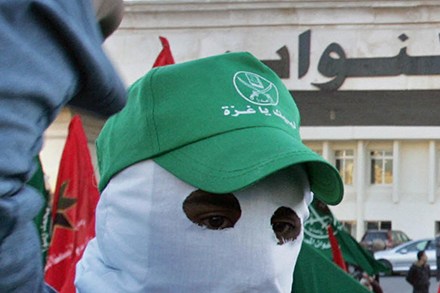
What should the British government do about the Muslim Brotherhood? This question has confounded policy-makers for decades and was brought to the fore last month when the United States sanctioned, for the first time, a London-based Muslim Brotherhood leader. Announcing the sanctions, the US Treasury described Mahmoud al-Abyari as a ‘senior leader of the Egyptian Muslim Brotherhood’ with a ‘long history of senior leadership roles’, including in its General Secretariat. For the United States, the secretive, transnational network founded in Egypt in 1928 is ‘the root of all modern Islamist terrorism’. To the Israelis, it ‘promote[s] a radical vision of Islam’. To Mohammed bin Salman, the Crown Prince of Saudi Arabia, the Brotherhood is ‘very dangerous’.