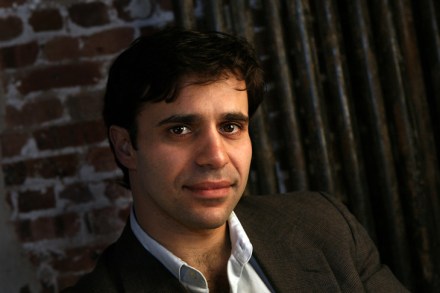
The spy who came back from retirement: Karla’s Choice, by Nick Harkaway, reviewed
From our UK edition
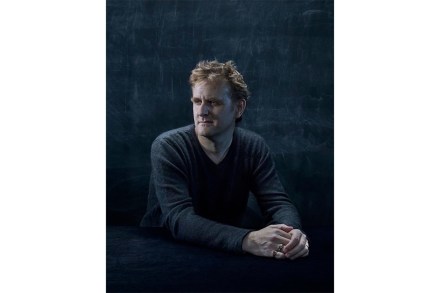
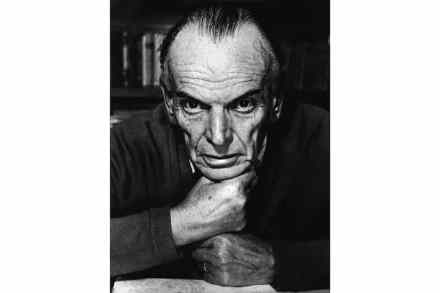
Publishing is a business. Authors are its brands and books its products. When, as sometimes happens, one of the bigger brands inconveniently dies or retires, there’s an understandable desire to keep the brand going and to attach its lucrative name to new products. And why not? If it’s done well, everyone benefits – publishers, readers and authors’ estates. In the past 60 years, there have been few bigger brands than the late John le Carré, so it’s no surprise to find a posthumous outing with the words ‘A John le Carré novel’ plastered over the cover. Its author, Le Carré’s youngest son Nick Harkaway, is a well-established novelist in his own right, albeit in a different genre. He served his apprenticeship by completing his father’s last book, Silverview (2021).