Moldova

Welcome to Transnistria: the country that’s not a country

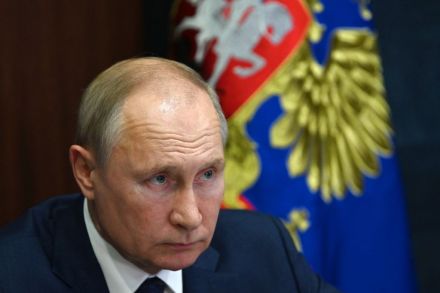
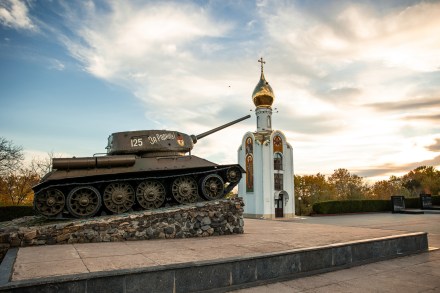
I’ve been on holiday to a country that doesn’t officially exist. It has its own border, passport, flag, currency and army but no one recognizes it – not even its main sponsor, Vladimir Putin. Transnistria is sandwiched between its proper motherland Moldova – which is itself really Romania – and Ukraine, which Putin thinks is part of his motherland. Confused? It doesn’t get any easier.  In 1992 there was a short war between the newly created state of Moldova and separatist, ethnic Russians which resulted in nearly 1,000 deaths and the breakaway "country" (via a peace accord) policed by Russian "peacekeepers.
Transnistria

Moldova has been saved from Russian influence, but at what cost?

From our UK edition

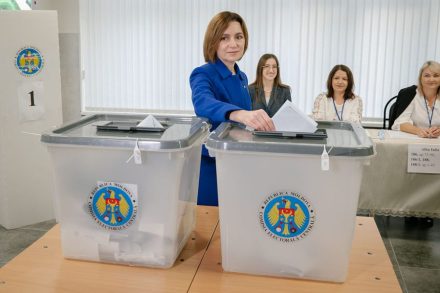
The European Union, guardian and champion of democracy, rightly takes a dim view when ruling parties ban their opponents, refuse to open polling stations in areas likely to vote against them, censor opposition news channels and allow a large staff of foreign election monitors to police social media in the run-up. If Serbia, say, or Georgia tried systematic election rigging of this kind, Brussels would be the first to call foul and disregard the result as illegitimate. But when it’s the EU that’s running the interference, as in Moldova this week, the rules are apparently quite different. This week the pro-EU party of Maia Sandu, Moldova’s President and a former World Bank official, won a slim majority in a general election.

Only EU membership will secure Moldova’s future

From our UK edition

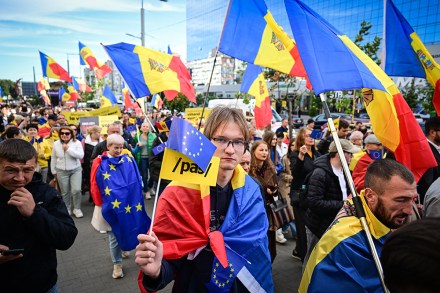
‘The European path of Moldova must go on,’ a young Moldovan politician texted me as their parliamentary election results began to roll in yesterday. His party PAS, the pro-European Party of Action and Solidarity, won. The race was not as close as some supporters feared, with PAS receiving about 50 per cent of the vote. The main opposition, Patriotic Electoral Bloc – an alliance of pro-Russian socialist and communist parties – received around 25 per cent. This is a remarkable moment for Moldova. Just three weeks ago President Maia Sandu, the founder of PAS, addressed the European parliament in Strasbourg, warning of Russian interference. Calling the election a ‘battlefield’, Sandu declared that joining the European Union was a ‘matter of survival’ for Moldova.

Where will the war in Ukraine go next?

Almost every night in Russia, it seems, a government building bursts into an unexplained fire. Fuel depots, office buildings, infrastructure hubs — and once a bridge. No doubt people have their theories. Insinuation abounds. "Karma is a cruel thing," one Ukrainian official has said on Telegram. But in the main, both the Russian government and Ukraine maintain an eloquent silence. The metaphor is apt. The fires are an unexpected consequence of Russia’s war in Ukraine, an eventuality, no doubt, that no one in the Kremlin inner circle anticipated, or planned for. And yet they burn merrily nonetheless.