Modernity

Instantly captivating: the mysterious harmonies of Erik Satie

The first time I heard a piece of music by Erik Satie it was on the B-side of a Gary Numan single. Played on a synth that sounds like a theremin sucking on a dummy, ‘Gymnopédie #1’ is so saccharine sweet it actually makes the music seem sorry for itself. And yet. It got me hooked on Satie’s catchy yet sombre ironies. Par for the course, says Ian Penman in this dazzling study. People who know nothing about music beyond the top tens of their teens can be so ‘instantly beguiled, captivated and transported’ by Satie that his ‘pop single length’ works are ‘now part of some collective audio memory’. Those who know nothing much about music can be instantly beguiled, captivated and transported by Satie For all that, there is no mention of Numan here.

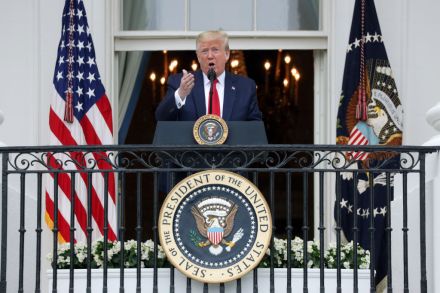
Trump’s America needs the conservative tradition

From our US edition

The modern American conservative tradition – roughly dating from the dawn of the 20th century — emerged in reaction to modernity itself. Modernity meant machines, speed, and radical change — taboos lifted, bonds loosened and, according to Max Weber, ‘the disenchantment of the world.’ It induced, and perhaps required, centralization. States accrued power. Bureaucracies thickened. Banks, corporations, rail systems and industrial enterprises grew to mammoth proportions. War became more destructive.Modernity promised liberation and for many did improve the quality of everyday life. Yet it also subjected individuals to immense and only dimly comprehended forces.  In exchange for choice, it demanded conformity.

donald trump conservative