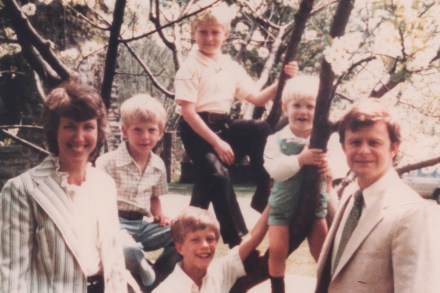
Growing up with thieves, murderers and heroin addicts
‘You can’t pick your parents, but they get to pick your life,’ Jonathan Tepper points out at the beginning of this extraordinary coming-of-age story. And: ‘If your parents are missionaries, it changes everything... They decide where you’ll live, when you’ll pack your bags and go, and you’ll get roped into their work saving the lost.’ In the 1980s and 1990s Jonathan’s parents, Elliott and Mary, were American missionaries in San Blas, then the poorest part of Madrid: ‘Our neighbourhood was the biggest drug supermarket not only in Spain but in all of Europe.’ At a time when Spain hadn’t started spending on prevention or rehabilitation, Jonathan, aged seven, along with his two older brothers – all of them blond and blue-eyed – saw junkies lying dead in ditches.