Mark antony

Why Cicero’s life and times have never seemed more relevant

From our UK edition

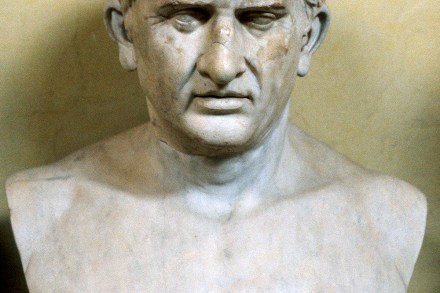
How should we think about Cicero? He was the orator who claimed that he did his best to save the Roman Republic from decadence. To more recent readers, he has come to seem regressive as well as ridiculous: he opposed the redistribution of land and loathed the idea of doling out grain rations. But it’s his self-promotion that makes us roll our eyes. Early in her biography, Catharine Edwards understates the obvious: ‘False modesty was never Cicero’s problem.’ What she does best throughout her surprisingly page-turning account is to reveal Cicero through his own words. (Admittedly, she has many, many words to choose from.) She quotes him reflecting on an early, junior role as a quaestor in Sicily: ‘What Sicilian quaestor has won greater renown or popularity?
The crude tirades of Cicero the demagogue

From our UK edition

It is rare to read a book about Cicero that likens its hero to a demagogue. Rome’s prosecutor of conspiracy and corruption in the last years of the Republic is seen more commonly as a toga-draped crusader for virtue. Was he also a ranter steeped in violence, crude character-assassination, tendentious storytelling and racial stereotypes? Yes, argues Josiah Osgood, an American historian, whose book persuasively analyses a range of Cicero’s murder, fraud and extortion cases. Other men of the time were often no better, he writes, but, echoing Michelle Obama on Donald Trump: ‘Fortunately for Cicero, if his opponents went low, he knew how to go even lower.

Julius Caesar’s assassins were widely regarded as heroes in Rome

From our UK edition

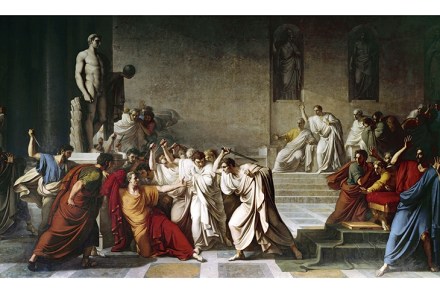
It’s not as if Julius Caesar wasn’t warned about the Ides of March. Somebody thrust a written prediction of the assassination at him as he marched to the Senate on the fateful day. Alas for Julius, as Peter Stothard notes in this gripping, gorgeously written new account of the killing and its consequences, the dictator stuffed it away, unread, into the folds of his toga. Secreted in the folds of his colleagues’ togas were the daggers that would shortly destroy him. The major themes of Roman (and therefore European) history are here writ large: tyranny vs freedom; politics vs self-preservation. We are at a crossroads in time when, if this one event had happened differently, everything might have changed.