Magazine

How Ofsted lost its way

If I told you that Ofsted had lost its soul, you might be surprised that it ever had one. You might also wonder why it matters. As someone teaching when Ofsted was introduced, and who has been subject to seven inspections under seven different frameworks, five of them as a headteacher of a comprehensive, I’ve discovered that it does matter. Over the years, I fought the good fight on each occasion, and in the process, I learnt to respect my opponent. Not this time, however. This time, two days of fraught psychological drama came to an end of frustration and lament. School inspectors are powerful but, in my experience, mostly well-motivated. At its best, Ofsted has been about setting standards, not accepting excuses.

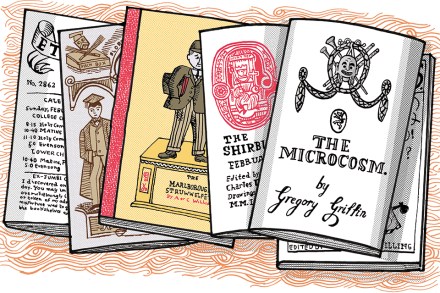
The cut-throat world of school magazines

In my mind, there was always a sense of hubris in the air of our tucked-away offices at the Chronicle, Eton’s main student magazine. As in many other domains of our school’s life, we idly assumed ours was the first, as well as the only really consequential, example of a public-school magazine. The early 2000s, when I was a boy there, were a particularly suitable time in which to indulge in such a view; we were all acutely aware of the rise of Boris Johnson. If you were devoid of athletic, dramatic or musical talent, editing the Chronicle was the obvious crown The record for first school magazine does belong to Eton, but it is in fact for a much earlier and odder production, puckishly called the Microcosm, which ran for 40 issues in 1786-7, published as a book the next year.