Louisa May Alcott

How do authors’ gardens inspire them?

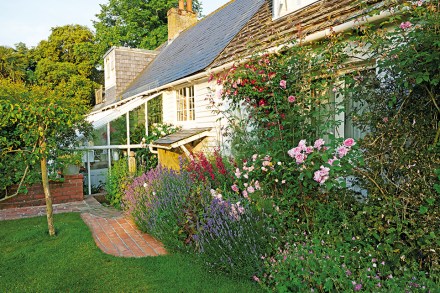
When Henry James moved to Lamb House in the Sussex coastal town of Rye, he admitted that he could hardly tell a dahlia from a mignonette: ‘I am hopeless about the garden, which I don’t know what to do with and shall never, never know – I am densely ignorant.’ He sought advice from the artist and designer Alfred Parsons and fortunately Lamb House already had a gardener, George Gammon, to do all the work. When Gammon won prizes at local horticultural shows, James was delighted: he was a vicarious gardener, more comfortable at his desk in the Garden Room than with his hands in the soil. Thomas Hardy was at the other end of the gardening spectrum.
Of course: all the great women in history were actually men

From our US edition

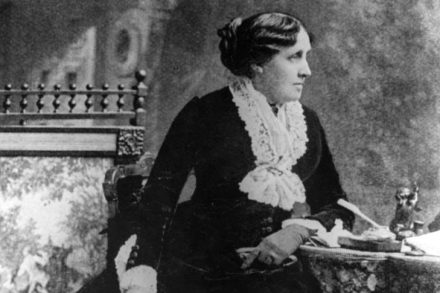
One of the great, pesky questions of human history has finally been answered. For thousands of years , as we all know, most great accomplishments were the works of men. But now and then there was an outlier, a woman doing great things. Esther in the Bible, Joan of Arc or Elizabeth I of England. It made no sense — but today, thanks to the tireless work of gender studies departments we know the truth: those weren’t women at all. They were actually men. This weekend we had further confirmation of this revelation from the New York Times which ran a piece revealing that Louisa May Alcott, author of Little Women, was a trans man. We know this because sometimes Alcott went by “Lou” and mentioned having a “boys' spirit.” I’m sold.

louisa may alcott women