Kaliningrad

Clerical skulduggery on the far borders of 1830s Germany

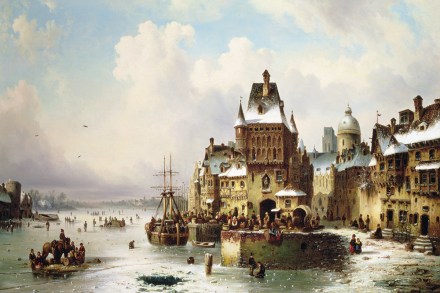
Königsberg is no more. Now known as Kaliningrad, it forms part of a small Russian exclave surrounded by Lithuania and Poland. It is probably here that the third world war will start. Before it was bombed flat and ethnically cleansed, the historic Baltic city formed one of the main centres of the German province of Prussia. Old Königsberg was a port and a -meatballs-and-potatoes kind of place, but also one of the battlefields of the Enlightenment. The philosopher Immanuel Kant was born, lived and died there. One of the questions he struggled with was how to reconcile the claims of human reason with the need for faith in the divine.
Prussian blues

From our US edition

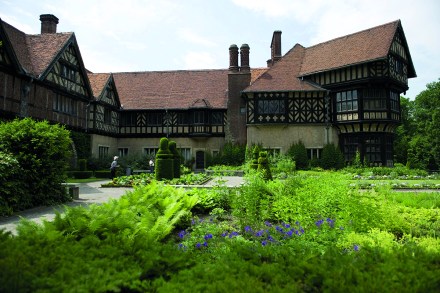
My grandfather Werner von Biel was born in a huge white house on the Baltic coast of eastern Germany, a few years before World War One. I never met him. He died when I was a child. My grandmother didn’t like to talk about him. She’d left him for an English soldier at the end of World War Two. Growing up in England during the Cold War, I often wondered what had become of his Junker family, the Schloss (castle) they lived in and the land they farmed. When the Berlin Wall came down I went east, in search of the fatherland my grandmother had forsaken. Thirty years later, I’m still searching. I’ve found a few curios along the way. The Schloss is still there, though my grandfather’s family no longer owns it (the Communists turned it into a school).

prussia