John lennon

John Lennon’s desert island luxury

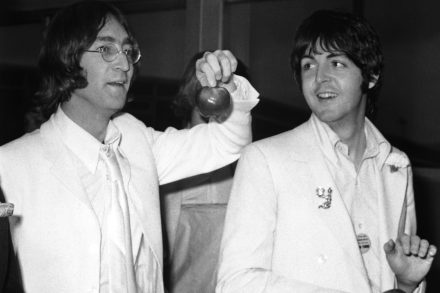
Beatlebone is an account of a journey, a psychedelic odyssey, its protagonist — at times its narrator — John Lennon, seen through the prism of Kevin Barry’s imagining. Barry’s first novel, The City of Bohane, was a dystopian nightmare of comic vernacular and violence, showered with praise and prizes. Think James Joyce and Flann O’Brien collaborating on a script for Tarantino. Beatlebone, his second novel (on the shortlist for the Goldsmiths prize for fiction) has Lennon fleeing New York in 1978 for a secret visit to Dorinish, the uninhabited island he bought 11 years earlier. Burned-out, creatively blocked, he craves a few days of solitude, to sit and stare at the surf. And scream. (In 1970 Lennon and Yoko took a course of Californian Primal Scream therapy.

So what if Lou Reed was a monster?

Another week, another famous dead person having his grave danced on with gay abandon. This time it’s the late, great Lou Reed’s turn to have his reputation trashed by scandal-sniffing vultures. Less than two years after he died — at least they waited for him to rot, which is something I guess — a new book has been published claiming he was a ‘monster’. It is testament to the 21st century’s feverish obsession with hounding dead heroes and exposing their wicked streak that my first response upon hearing this was: ‘Of course he was a monster. Everyone is, right?’ According to the book — Notes from the Velvet Undergound, by Howard Sounes — Reed was ‘a very unpleasant man’.

I’ve never thought much of John Lennon’s music – until now

It’s probably blasphemous to admit that I’ve never thought very much of John Lennon’s music. Common sense tells me it must be good but it’s never made much of an impact on me no matter how hard I’ve tried to appreciate it. If I like a Beatles song, I usually discover it’s by George. But the discovery from a radio trailer (reluctantly, I’ll have to admit they do sometimes work) that Lennon would have been 75 this week was shocking enough (how could he ever be that old?) to make me tune in on Thursday night to John Lennon’s Last Day.

Starr quality

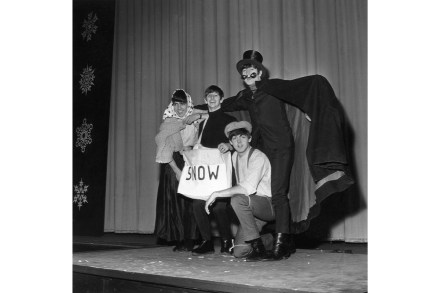
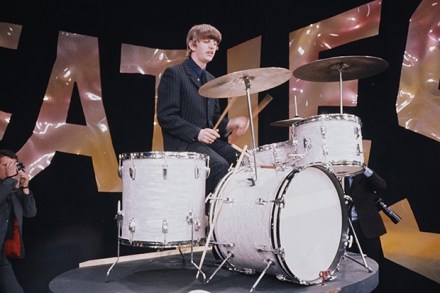
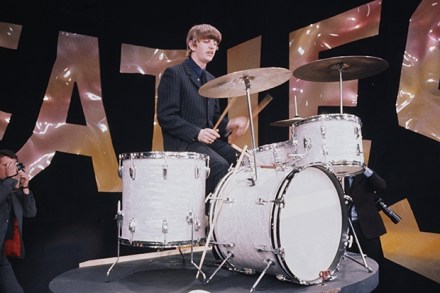
‘He was the most influential Beatle,’ Yoko Ono recently claimed. When Paul and John first spotted him out in Hamburg, in his suit and beard, sitting ‘drinking bourbon and seven’, they were amazed. ‘This was, like, a grown-up musician,’ thought Paul. One night Ringo sat in for their drummer Pete Best. ‘I remember the moment,’ said Paul, ‘standing there and looking at John and then looking at George, and the look on our faces was like ...what is this? And that was the moment, that was the beginning, really, of the Beatles.’ I think Ringo Starr was a genius. The world seems to be coming around to the idea. Two months ago, he was finally accepted into the Rock and Roll Hall of Fame — the last Beatle to be inducted.

Life is full of little endings. We should pay them more attention

The end of the year seems a good time to think about lasts. Not many of us ever do. Firsts are always landmarks: the first time you taste alcohol, drive a car, have sex. Then the first time your child talks, walks, goes to school. All are noted at the time, stored away in the mental file marked ‘life events’. But when do we ever notice, much less remember, a last? We’re doing them a disservice — in many cases they’re even more poignant than the firsts. One problem, of course, is that we often don’t know it’s a last at the time. You’ll register your last day in a job, or your last exit from a house you’ve owned. Recovering alcoholics note (though only in retrospect) the occasion of their last drink. But the last time you go to London?