Italo calvino

The potentially catastrophic consequences of reading Kafka

Rainer Maria Rilke’s claim that fame is the ‘sum of all misunderstandings’ is certainly true of Franz Kafka, whose life, work and reception have long been plagued by myriad misunderstandings. Despite publishing comparatively little in his all-too-short lifetime (1883-1924), Kafka gained a reputation as a writer’s writer, whose work was met with keen appreciation by, among others, Rilke, Hermann Hesse and Thomas Mann. In Kafkaesque, which first appeared in French under the title Dix versions de Kafka, Maïa Hruska charts Kafka’s afterlife through the perspective of ten ‘first’ writer-translators. These range from luminaries such as Jorge Luis Borges, Bruno Schulz and Primo Levi to lesser known but intriguing figures such
The art of extinction

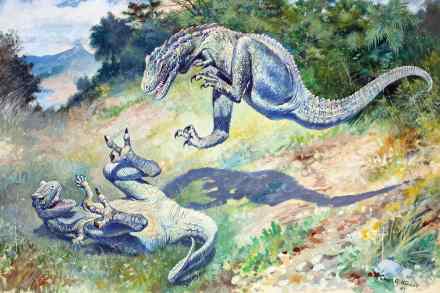
In one of Italo Calvino’s fables, a single dinosaur survives the extinction of his kind. After a few centuries in hiding, he comes out to discover that the world has changed. The ‘New Ones’ who have taken over the planet are still terrified of dinosaurs; they tell each other terrifying stories about the time when the reptiles ruled the world, or secretly fantasise about being brutalised by them, but they don’t recognise the survivor for what he really is. They no longer know what a dinosaur looks like. The newcomer is given a name – the Ugly One – and invited into their society. Eventually, they find a heap of

Foreign fields: Boyd Tonkin chooses his favourite shorter classics in translation

If I had a rouble or a euro for every reader who fulfilled their lockdown promise to devour Dostoevsky, Tolstoy or Proust my bank account would hardly grow by a single penny. Duty, guilt and pride never made the pages turn more swiftly, whatever a book’s length. Almost all vows to catch up on doorstopper classics from the global canon will have failed to outlast the fallen blossoms. Yet you might more realistically blend discovery and delight by exploring some of the smaller miracles of great fiction in translation. Freshly completed, in first-rate new translations, the 75 volumes of Georges Simenon’s Maigret mysteries bear witness to a Penguin Modern Classics