Battling the elements – Claude Monet’s litany of anguish
From our UK edition
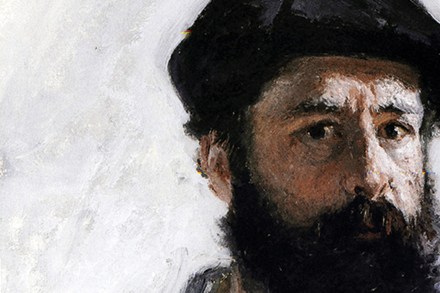
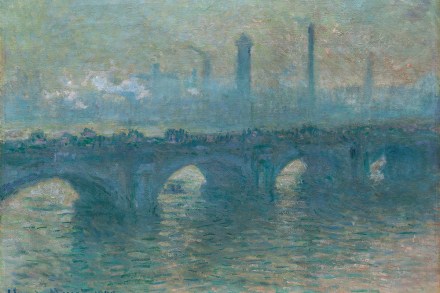
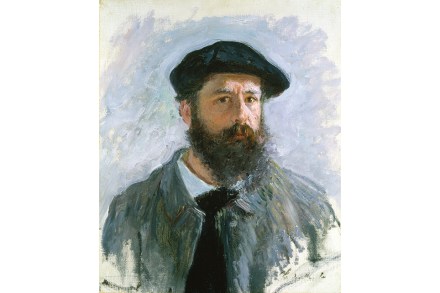
For a painter we acknowledge as a master of atmospheric effects and ever-changing light, whose early work ‘Impression, Sunrise’ sparked the artistic revolution that became Impressionism, Claude Monet (1840-1926) spent an awful lot of time complaining about the weather. He was obsessed by it, cowed and crushed by it, inspired by it to flights of genius, and its vagaries would become the intrinsic focus of his art: ‘I have just returned, covered in mud and soaking wet, the weather is so awful it is impossible to do any work’ is a constant grizzle. He seethes with frustration as he is forced to make constant changes as everything keeps growing and getting greener... In brief, because of these changes, I am following Nature without being able to capture her...