Hotel

The decadent joy of a forgotten hotel

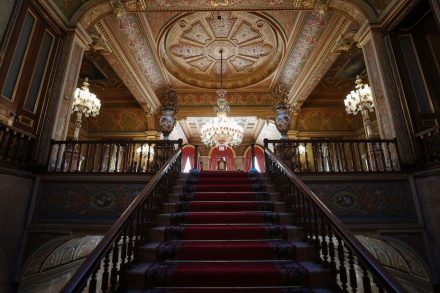
Rich people can be awful. Nowhere is this more true than in their unnatural habitat – the luxury hotel. There’s only one thing worse than tourists, and that’s wealthy, entitled tourists with their bratty kids and whiny complaints. How to enjoy the world of luxury travel while avoiding the luxury travellers? Easy. Go to blighted, war-torn, no-longer-fashionable places once bathed in dosh and celebrity but which now lie neglected and forgotten, washed up by the currents of history. Doubtless there is something decadent and orientalist about loving sad, forgotten old hotels My favourite and archetype of such places is the Splendid Hotel on Buyukada, an island in the Sea of Marmara an hour’s ferry ride from Istanbul.
Charleston notebook: following an English country band through the Holy City

From our US edition

My impression of Charleston, a city I’ve been visiting since my late teens, is that it is oddly more European than American. Real Charlestonians, they say, have more in common with their cousins across the pond than with their compatriots in America’s big cities. I've found that to be true. I’m here for the birthday of one such real Charlestonian, my friend Toto. A former White House staffer, Toto now works in the private sector, but he is destined for a return to politics – his great grand uncle was an accomplished South Carolina statesman and Toto, as he puts it, "feels a deep sense of purpose and mission to ensure South Carolina continues to be the greatest state in union".

Paris: a gold-medal minibreak

From our US edition

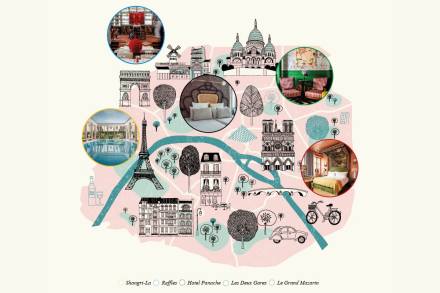
As the Olympic Games descend on the French capital this July, the contest that really matters for this sports-shy travel writer is where to stay. From historic heavyweights to new contenders, these Parisian properties stand head and shoulders above the rest. Best for wellness: Shangri-La Paris The cool marble interiors of Shangri-La’s Parisian outpost feel a world away from the tumult of the Champs-Élysées (in fact, it’s only a fifteen-minute walk). If the Grecian frescoes, silk wallpaper and sweeping, gilded staircase all seem distinctly regal that’s because the nineteenth-century building was originally the pied-à-terre of Prince Roland Bonaparte, Napoleon’s great-nephew.

Paris