Horror

The child is not there

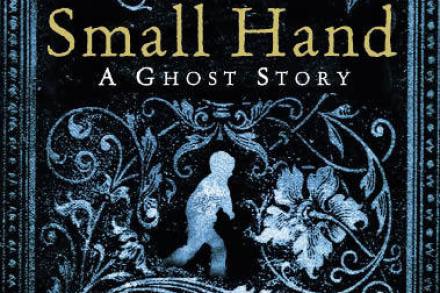
The ghost story is a literary form that favours brevity. Its particular emotional effects — the delicious unease it creates, the shapeless menace and the unsettling uncertainty — work particularly well in concentration, as both Henry James and M. R. James knew so well. A ghost story does not need distractions. Susan Hill has already established herself as a distinguished modern exponent of the genre with The Woman in Black and The Man in the Picture. She returns to it in her latest novel — or, rather, novella, The Small Hand. It is set firmly in the present, in a world with emails and trips to New York; but, as so often with a ghost story, it is also full of echoes from the past. Adam Snow, the possibly unreliable narrator, is an antiquarian bookseller.

Cast a long shadow

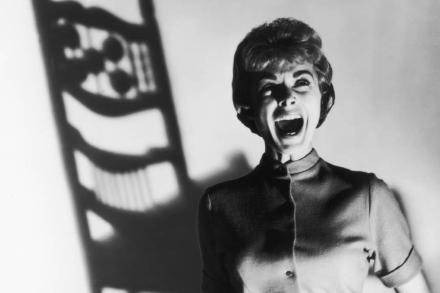
Many years ago I invited a young student of mine to see Psycho, a film of which she had never heard, made by a director (Hitchcock) with whose name she was unfamiliar and shot in a format (black-and-white) whose apparent old-fashionedness so mystifed her she wondered aloud why no one thought to complain to the projectionist. Yet, shrieking on cue at all the spooky moments, she ultimately admitted to having been so bowled over by the film that she asked what other Hitchcocks she ought to see. I recommended North by Northwest — only subsequently to learn, to my stupefaction, that she had found it boring. Boring? The most euphoria-inducing comedy thriller in cinema history? I asked her why. ‘Well,’ she replied. ‘I was under the impression he made horror movies.