Homer

In search of the Iliad

From our US edition

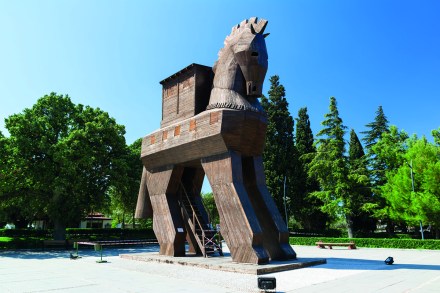
A wooden horse, a fallen hero and Helen, the most beautiful woman in the world. These three things transformed a hillock in Asia Minor into a legendary city. Few places can conjure up such stories of love and loss, homesickness and heroism, gallantry and grief as Troy. Over 3,000 years after Homer wrote in The Iliad of the 10-year siege of King Priam’s mighty citadel, I’m standing on an unremarkable patch of scrubland in northwestern Turkey. This unpromising site claims to be the real Troy — the very spot where Zeus’s daughter Helen fled to make love to Paris; where the mighty Hector, the Trojan general, fell at the hands of Greek warrior Achilles; and where the giant Trojan Horse entered the city concealing Greek warriors in its wooden belly.
troy

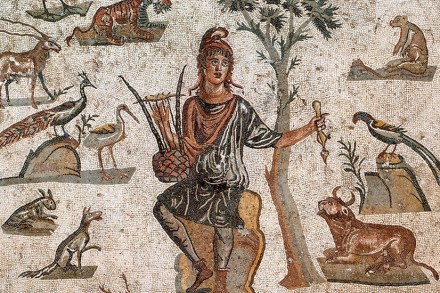
Singing to the gods: a millennium’s span of ancient Greek hymns, gloriously portrayed

We are experiencing a boom of popular books on Greek mythology: Stephen Fry’s Mythos; Natalie Haynes’s Pandora’s Jar; Liv Albert’s Greek Mythology: The Gods, Goddesses, and Heroes Handbook, to name a few. Admittedly, Greek mythology has it all: love, sex, murder, incest, cannibalism, magical transformations, pirates, monsters, miracles. Surely some readers, though, will want to go even deeper, to tap into the ancient sources, incorrigibly plural and various. These sources include Homer’s Iliad and Odyssey and Hesiod’s genesis and who-begat-whom of the gods, the Theogony. (Plus a chunk of ‘Greek’ mythology which we actually get via the Roman poet Ovid.

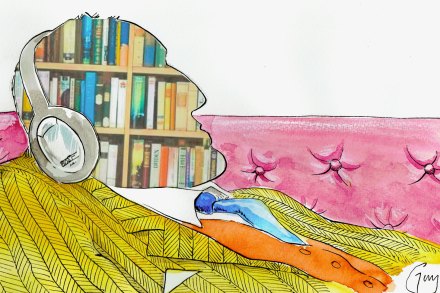
Homer is a hard read – made easy with earbuds

Mention Homer now and most people will picture yellow, rather than bronze. But Homer Simpson’s comic status as a modern anti hero only makes sense with a knowledge, however vague, of the heroes in The Iliad and The Odyssey.  They underpin the last three thousand years of western culture. Achilles, Hector, Odysseus and Helen… these are the chess pieces that poets, painters and sculptors have been playing with ever since. Odysseus, the Trickster, is there at the dawn of classical literature – and then again, Romanised as Ulysses, at the dawn of Modernism. What a gift. Trust the Greeks. Still, there is a reason no-one reads them anymore – at least, not for fun.