The wonder of ancient English parish churches
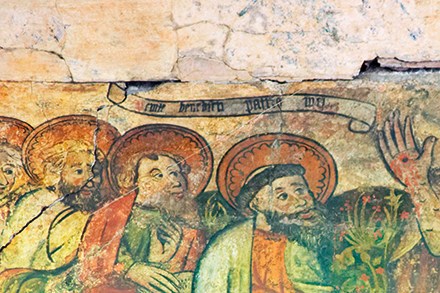
John Betjeman, the patron saint of the English parish church, invented the term ‘church-crawler’ in 1948. Rachel Morley acknowledges his genius in this charming guide. But by her own admission she stands at one remove from similar church addicts. Yes, she’s fully qualified, as the director of the marvellous organisation Friends of Friendless Churches, founded in 1957. But she is in fact Irish, born and bred in Cork. She’s learnt about England through its parish churches and makes a convincing argument that they are the key to English art, architecture, the national character and even the language. The name of the 7th-century Ely nun St Etheldreda mutated into St Audrey, which gave us the word ‘tawdry’ to describe the cheap fripperies sold on St Etheldreda’s feast days.