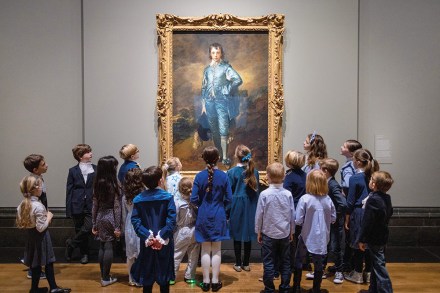
History of art is not a ‘soft’ subject
I may be biased because I teach it, but history of art A-level often feels like the greatest, yet most dismally undervalued, subject in the curriculum. It explores history’s most innovative thinkers, enhances visual literacy, teaches history through the prism of creativity and emotion, sharpens critical thinking, and fosters empathy and open-mindedness. Yet it languishes as a minority character in the pantheon of school subjects. It has always been chronically underappreciated by students, teachers, school heads and governments. I worry that its disparagement tells us something rather depressing about our own cultural values and even our sense of what education is for. Just to scotch a popular misconception from the outset – history of art is not a ‘soft’ subject.