Harry Truman

A short ****ing history of presidential swearing

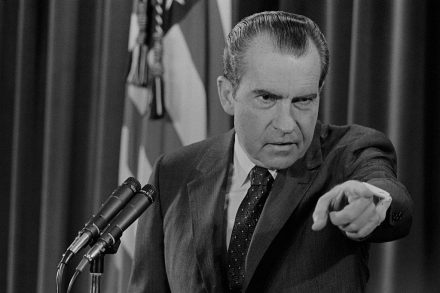
On Tuesday, President Trump dropped a bomb – not a bunker-buster but the F-bomb. Talking to the press about Israel and Iran, he said, “We have two countries that have been fighting so long and so hard that they don’t know what the fuck they’re doing.” There is a lot to say about this statement – starting with the implied moral equivalence between the two countries. But let’s focus on the F-bomb. Has a president ever before used this word in public? Used it deliberately, in a public statement? Trump seems to have recorded a first. Plenty of presidents have had salty tongues. You may know a story about Harry and Bess Truman. It is quaint now. There are several versions of this story, but, essentially, it goes like this. Mr.
nixon swearing

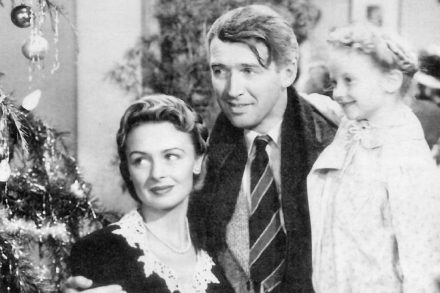
Karolyn Grimes looks back on her role as Zuzu in It’s a Wonderful Life

The title tells it all. It’s a Wonderful Life was first released back in December 1946, in the same week that President Truman was issuing Proclamation 2714, which officially ended hostilities in World War Two, and for that matter prefiguring Donald Trump by proposing that the US buy Greenland. The movie may be seventy-eight years old, but it’s one of those timeless classics, like Casablanca or The Searchers, that actually improve with familiarity. It’s also long since woven its essential message of good cheer into the fabric of our festive season. It’s an unusual plot for a film synonymous with feel-good family entertainment.

it's a wonderful life

Can Kamala Harris escape the ‘Hubert Humphrey problem?’

When the sitting president is not running for reelection, the party typically turns to his vice president as the “natural” nominee. That’s true again this year, now that the Democratic Party powerbrokers forced Biden out of the race, fearing he would not only lose the White House but sink down-ballot Democrats alongside him. So, the party turned to his vice president to lead the ticket. That’s commonplace in the modern era, but it’s a relatively new development. It wasn’t true before the 1950s. That change raises three questions: 1. What was the earlier role of the vice president? 2. Why has that role changed? and 3. Why do those changes make it likely, though not certain, the VP will become the party’s next nominee?

The myth that Hiroshima was necessary

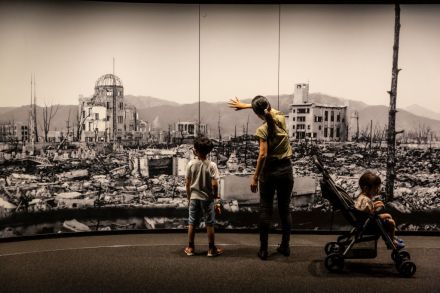
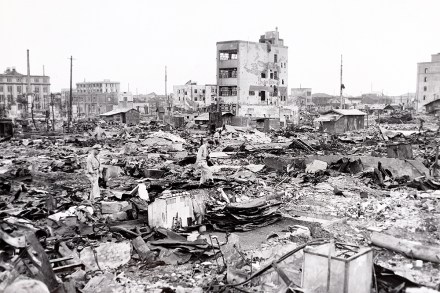
If you think the falsehoods spilling out of Ukraine about casualties and atrocities are shocking, meet the greatest lie of modern history. August 6 marks the seventy-seventh anniversary of the nuclear destruction of Hiroshima and death of some 140,000 non-combatants. Yet the only nation in history to employ a weapon of mass destruction on an epic scale, against an undefended civilian population, shrugs off the significance of an act of immorality. Beyond the destruction lies the myth of the atomic bombings, the post-war creation of a mass memory of things that did not happen. This myth has become the underpinning of American policy ever since, and carries forward the horrors of Hiroshima as generations pass.

How to avoid World War Three

The Russian assault on Ukraine has awakened the West to the fact that we may be back in a Cold War — or worse. After a few decades’ respite in which the United States did not find itself in conflict with any nuclear powers, presidents must consider a world in which nuclear-armed Russia and China actively oppose US interests and deliberately test American resolve. This reality will become even more complicated if a hostile Iran gets its hands nuclear weapons too. The return of Cold War-style geopolitics means the return of Cold War-style statecraft. Presidents will once again face the difficult task of calibrating their actions to advance US goals while avoiding escalation toward possible nuclear confrontation.

presidents