H.g. wells

My Name is Orson Welles was illuminating

From our US edition

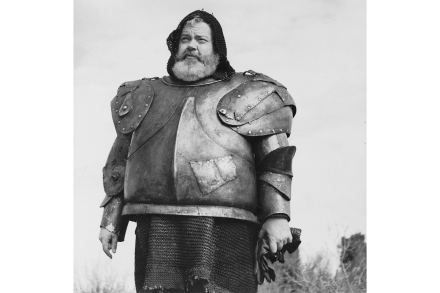
Orson Welles (1915-85) considered the notion of posterity vulgar, but he knew that he’d be loved once he was dead. That death came suddenly, just over 40 years ago, on October 10, 1985. There was a poignancy to the way death took him – sitting at his typewriter after appearing on Merv Griffin’s talk show. By then, the co-writer, director and star of the greatest film ever made, Citizen Kane (1941), hadn’t finished a film since 1973’s ignored but now quietly loved F for Fake. At the end of his life, he may have been better known as the guy in Paul Masson wine commercials than as a cinematic genius. To commemorate the 40th anniversary of his passing, Paris’s Cinémathèque Française last fall arranged the illuminating exhibition My Name is Orson Welles.
orson welles

Richard Flanagan rails against wrongs ‘too vast to have a name’

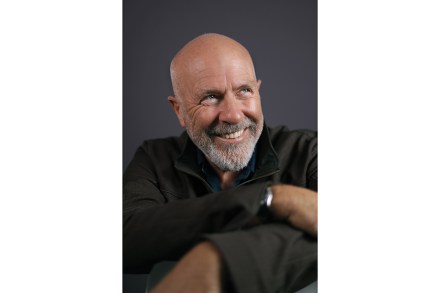
‘Is it because we see our world only darkly that we surround ourselves with lies we call time, history, reality, memory, detail, facts?’ Richard Flanagan’s memoir opens at the Ohama coal mine in Japan, once home to his father and a host of other POW slave labourers. It then spirals outwards via his childhood (in a remote Tasmanian settlement), his much-put-upon mother (who hoped Richard would become a plumber), his semi-present, kindly, traumatised father Archie (enshrined in The Narrow Road to the Deep North) and on through all the now-familiar Flanagan themes.

The fakery of Martha Gellhorn

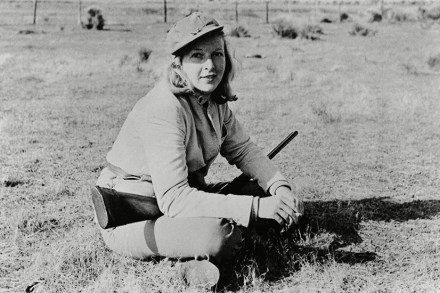
Gstaad Martha Gellhorn was a long-legged blonde American writer and journalist who became Papa Hemingway’s third and penultimate wife. She got her start when H.G. Wells, then nearly 70, fell for her rather badly, advised her on her writing, and paid her a small retainer to keep him up to date on American trends. She was 27 at the time. Wells had met Martha at the White House during the Franklin Roosevelt years before the war, Eleanor having been a friend of Martha’s mother, who was known around St Louis for having a mad crush on the First Lady. Yes, dear readers, sex existed even back then, but people didn’t tweet about it, they just did it.

Wells farrago: gaslighting the Invisible Man

From our US edition

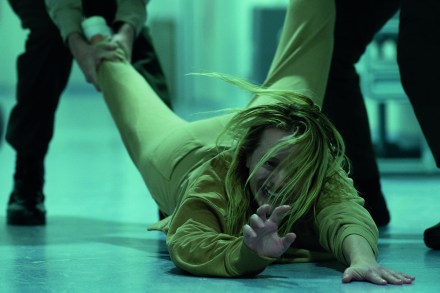
This article is in The Spectator’s February 2020 US edition. Subscribe here. ‘To many young people nowadays,’ H.G. Wells sighed in 1934, ‘I am just the author of The Invisible Man.’ He meant the movie, not the novel. George Bernard Shaw might have said something similar, only at greater length, had he lived to see the improvements by which Alan Jay Lerner turned Pygmalion into My Fair Lady. But would Wells recognize the latest variation on his 123-year-old character at all? This Invisible Man is not much interested in invisibility or men, or men who happen to become invisible. Elisabeth Moss is Cecilia Kass, a harassed woman trapped in an abusive relationship with a sociopathic tech bro.

wells