Gwen John

The art of resurrecting forgotten artists

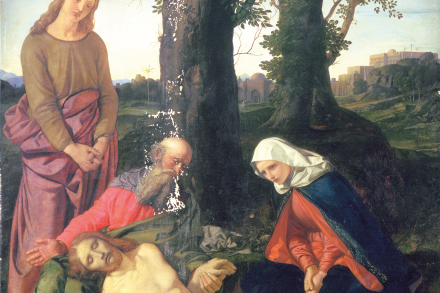
A retired priest in North Wales told me that after the war he had been asked by Billy Butlin to buy 19th-century paintings for the holiday-camp chapels, because they were going cheap. One he bought, for 49 guineas in 1947, was William Dyce’s 1835 ‘Lamentation of the Dead Christ’. In 1983, after the Butlin’s chapels had closed, it made a handy £125,000 at auction, when it was bought by Aberdeen Art Gallery. As late as 1962, Lord Leighton’s great ‘Flaming June’ (1895) was sold for £50. Today? Millions. Talk about ‘the bubble reputation’. The pattern of artistic fame followed by subsequent obscurity has been repeated through the centuries.
Marvellous but repetitious: Gwen John – Strange Beauties reviewed

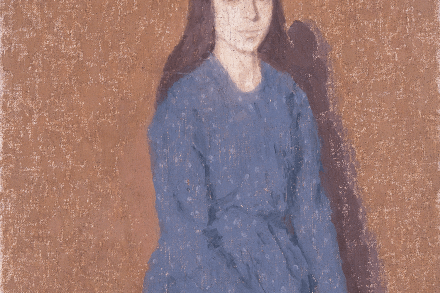
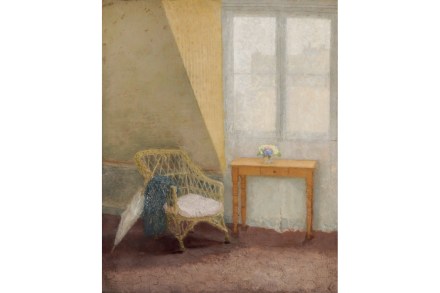
A pilgrimage to Cardiff Central, sorry, Caerdydd Canolog (according to the signage in the station, which also had my return train’s destination ‘Lundain Padd’ton’) to see the new Gwen John show. She is being lauded as Wales’s greatest artist, but she left Tenby at 18 in 1895, and never went back. After studying at the Slade she moved to Paris, fell in love with Rodin, and adopted the Catholic faith.

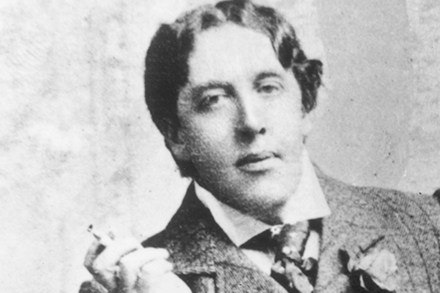
What do Oscar Wilde, Gwen John and Evelyn Waugh have in common?

Religious conversions do not, for the most part, make for good anecdotes. An exception can be found in Patricia Lockwood’s memoir Priestdaddy, which describes the author’s father Greg’s road to Damascus experience in a nuclear submarine off the coast of Norway, where he watched The Exorcist 72 times: That eerie, pea-soup light was pouring down, and all around him men in sailor suits were getting the bejesus scared out of them, and the bejesus flew into my father like a dart into a bull’s eye. It was, Greg boasted, ‘the deepest conversion on record’.

Admirable in their awfulness – the siblings Gus and Gwen John

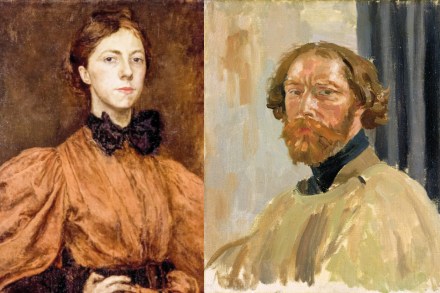
‘In 50 years’ time,’ Augustus John gloomily reflected following his sister’s death on 18 September 1939, ‘I will be known as the brother of Gwen John.’ He was right. In 2004, when the Tate mounted a joint retrospective of Augustus and Gwen John, it was Gwen who had become the major artist. The ‘variable strident chords’ of the self-styled Gypsy King, likened in his youth to Michelangelo, Rembrandt and Raphael, had been supplanted by the ‘sustained minor key’ of the nunlike recluse.

Suppress your groans: this women-only show is fascinating

In a Victorian art dealer’s shop a woman waits with her young son while the supercilious owner examines her work; behind her two top-hatted gents interrupt their inspection of a drawing of a dancer in a tutu to give her the once-over. The woman’s shabby umbrella, propped against the counter, awaits reopening in the rain outside. She knows what the dealer will say, and so do we. Every picture tells a story, and Emily Mary Osborn’s ‘Nameless and Friendless’ (1857) summarises the plot of Tate Britain’s latest exhibition, Now You See Us. Unlike her picture’s protagonist, Osborn was herself a successful artist in a field dominated by men – not the fate of many of the artists in the Tate’s new survey of four centuries of British art by women.

The quiet genius of Gwen John

In the rush to right the historical gender balance, galleries have been corralling neglected women artists into group exhibitions: the Whitechapel Gallery rounded up 80 women abstract expressionists for its recent Action, Gesture, Paint show. But imbalances can’t be corrected retrospectively. Rather than elevating women artists who didn’t make it in a male-dominated world – not all of whose work, if we’re honest, helps the female cause – we should be celebrating the grit and talent of the few who did. And Berthe Morisot and Gwen John – currently the subjects of solo shows at Dulwich Picture Gallery and Pallant House – had both in spades.