Gluttony

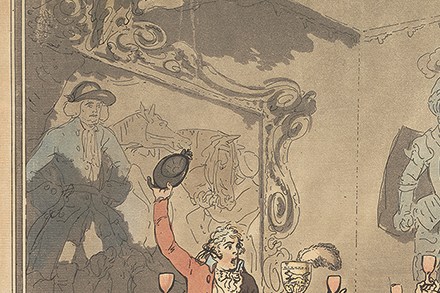
The punishing gluttony of Georgian high living

Georgian dining, if you were wealthy, was an incredible experience. Everything, from the location to the furniture, was carefully planned and meticulously executed to really hammer home the taste, status and impeccable education of the host. This was of course regardless of the actual likings, wealth and intellectual leanings of the party-giver. One of the delights of Amy Boyington’s book is the descriptions of the many, frequently ghastly, aristocrats whose country pads feature. There are murderers, adulterers, gluttons and spendthrifts. They did eat well, though. The Country House Dining Room is a Yale publication and, as such, can be expected to err toward the academic and the artistic.
Seeking forgiveness for gluttony, sloth and other deadly sins

Professor Guy Leschziner writes that he was raised in a secular household that was ‘entirely irreligious’ yet with ‘a strong sense of morality, of right and wrong’. As an eminent neurologist and a rational atheist, it’s striking that his study of the extremes of human behaviour should reach for such Biblical terms. Is there an element of ghoulishness here? Seven Deadly Sins has a structure of which David Fincher, director of the gruesome film Seven, might approve.  To zero in on the sins is undoubtedly a darkly entertaining approach, if not for the squeamish. Having been a consultant at Guy’s hospital for more than 25 years, Leschziner has seen ‘the full spectrum of human morality’: inexplicable altruism, generosity, kindness, love.