The Panic of 1873 seems eerily familiar
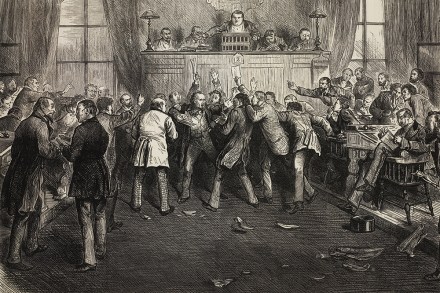
On 18 September 1873, the leading American bank Jay Cooke & Co collapsed after a disastrous bet on the railroad boom. Like the bankruptcy of Lehman Brothers in 2008, it was a watershed moment in an unfolding global financial crisis. Yet ‘the first Great Depression’, which lasted until 1896, is now mostly forgotten, despite some intriguing parallels to contemporary events and a fascinating dramatis personae, which includes the Rothschilds, Ottoman sultans and Otto von Bismarck. The Panic of 1873 and its aftermath took place in a period of financial globalisation and technological growth, with bond markets funding the epochal projects of America’s first transcontinental railroad and the Suez Canal. US railroads were the artificial intelligence investment of the day.