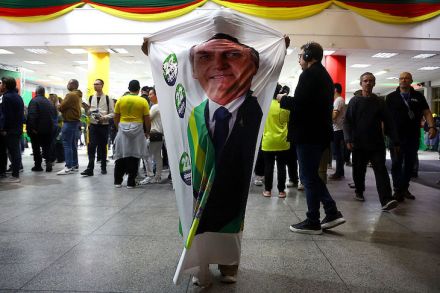
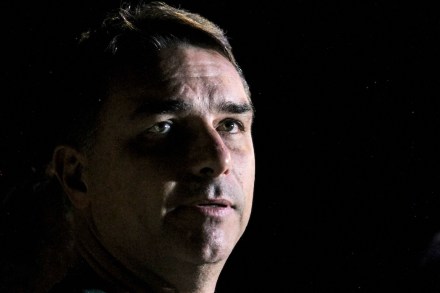
Flávio Bolsonaro

Don’t expect calm after the midterms

US technology shares have been sliding again today. The drop, as the Financial Times puts it, marks "a continuation of a volatile month for the sector as investors fret about the sustainability of the debt-fueled AI infrastructure boom." Elon Musk has been raising the alarm. Alphabet (the parent company of Google) has reported some disappointing news, as have Meta and Amazon. The great fear is that all the circular financing which has sustained the AI boom – tech companies lending money to themselves through various "vehicles" – is about to be exposed, and that institutional investors (pension funds and so on) will start to panic. The trillions spent on AI data centers and computing power could start to freeze up. All eyes turn, then, toward Tuesday’s midterm elections.
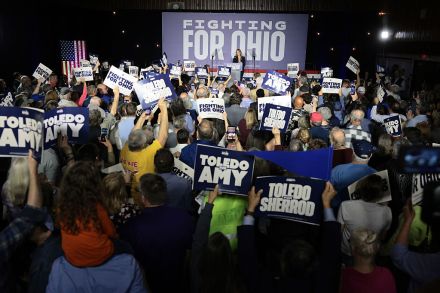
midterms

Brazil has voted for economic chaos

From our US edition

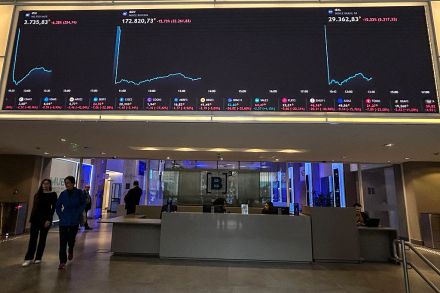
The shift to the right across South America has been stopped. One of President Trump’s key regional allies has been defeated. The global left, and most of the center, has been celebrating the victory of President Lula over Flávio Bolsonaro in a closely fought election this weekend. There is just one problem. As the brutal sell-off of financial assets demonstrated, Brazil has also voted for economic chaos. That rarely ends well. The election may tip Brazil into a full-scale crisis While the left were toasting victory on Monday morning, investors were furiously dumping Brazilian equities and, more importantly, debt. On Monday the Bovespa – Brazil’s main stock market index – fell by over 15 percent.

Is time up for Brazil’s Bolsonaro dynasty?

Brazilian politics is a soap opera that never runs out of plot twists: bitter rivalries, corruption scandals and colorful characters who keep rewriting the script. But Lula da Silva’s comeback was remarkable even by Brazilian standards. It brought an end to a dramatic cliffhanger, where the veteran left-winger won a fourth term as Brazil’s president. Just three weeks ago, Luis Inácio Lula da Silva looked vulnerable. His rival Flávio Bolsonaro had beaten him in the first round, raising the prospect of a right-wing turn in South America’s largest country. Brazil looked set for a shift towards tougher security measures, tax cuts and closer ties with Donald Trump’s administration.

bolsonaro

Does Brazil want another Bolsonaro?

From our US edition

Last month, two State Department officials were set to make what they called a routine visit to Brazil, ahead of October’s presidential election. Their stated objective was an assessment of election integrity, religious freedom and freedom of expression in Latin America’s largest democracy. Brazil was not convinced. It slammed the door in their faces and denied their visas.  Washington insists its diplomats were simply sent to ask questions. Brasília cries foreign interference from a nation that has a history of meddling in Latin American politics. Tensions between the two largest democracies in the Americas have not run this high in decades.