Fishing

Enjoy fishing, but don’t overthink it

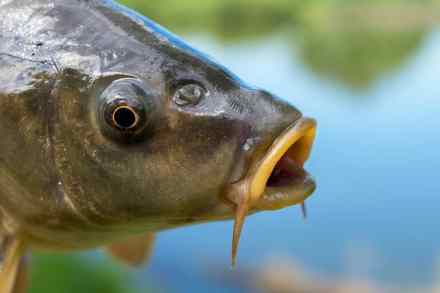
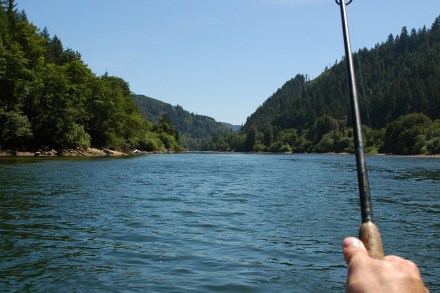
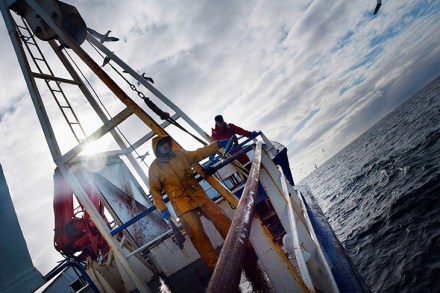
Spring fishing season has finally arrived in southeastern Virginia. I went out a few weeks ago to see if the crappie were biting. They weren’t. I went out last weekend after I borrowed a kayak from a friend — someone had stolen my run-down Jon boat (may they never catch anything again but disease) — and caught three. I am a recreational — not an avid — angler, and will probably only fish a dozen or two times over the next months. I don’t mind if I don’t catch anything. There are moments, even, when I think I would almost prefer not to catch anything because it would interrupt the experience of floating on the lake and looking.

fishing

Ice fishing in the Arctic

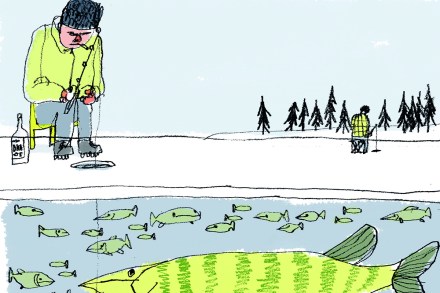
Like a rocket launch from the Cosmodrome, a Russian ice fishing trip must be timed just right. During my month in Archangel, a city in Russia’s far north on the edge of the Arctic Circle, the temperature swung between -30°F and a balmy 36°F. For ice fishing, the closer to the lower end of that range, the better. In fact, it’s a matter of life and death — the ice must have enough time below zero to freeze to a safe depth. I make it up to this chilly harbor town about once a year to visit my in-laws. It’s always a dramatic touchdown at the local airport as the runway, dusted with drifts of snow, appears at the last minute from out of a heavy fog.

ice

Letters: In defence of Land Rovers

From our UK edition

How to stay safe Sir: Mary Wakefield is correct to highlight the opprobrium heaped on anyone who suggests sensible safety advice to women (‘Don’t mix up murder and hate crime’, 2 October). It has long been the case that this is the one area where it is impossible to give crime prevention information without stirring up a hornet’s nest. Motorists are constantly told not to leave valuables on display when they park their cars, as they may return to find their windows broken and the articles stolen.

There’s one upside to having Parkinson’s disease

From our UK edition

I am just back from my final salmon fishing trip of the year. I have never had a worse season and have hardly cast a line. This autumn’s almost unprecedented sunshine has been terrible for fishing; the river Tweed had been reduced to a dribble, through which even Alex Salmond could easily lead an invasion force from Scotland to England while wearing a three-piece suit. I returned to find a letter from Salmon & Trout Conservation lying on the mat. It is bizarre that the only friends these fish have are those who want to stick a hook in them. The chief executive sounded at his wits’ end as he appealed for funds.

Could crabs be next on the menu for a Defra ban?

From our UK edition

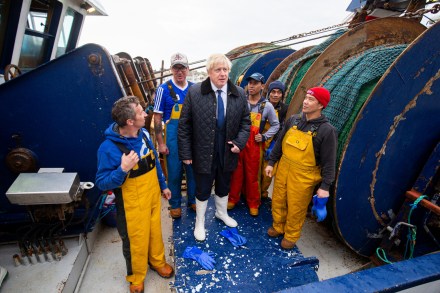
It has been a difficult 2021 for the British shellfish industry. Since the end of the Brexit transition period, fishermen have had to contend with new rules which mean that live mussels, cockles, oysters and other shellfish caught in most of the UK’s waters are no longer allowed to enter the EU. Legal action against the government has been mooted, with environment secretary George Eustice accused of misleading the industry over its post-Brexit arrangements. Given this context and the fact many fishermen live in Tory coastal seats, you might have thought the department for environment, food and rural affairs (Defra) would be doing all it can to reassure the industry.

Macron is playing politics in the Channel

From our UK edition

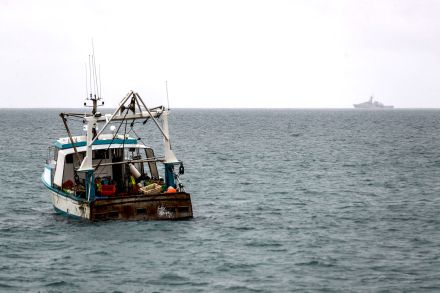
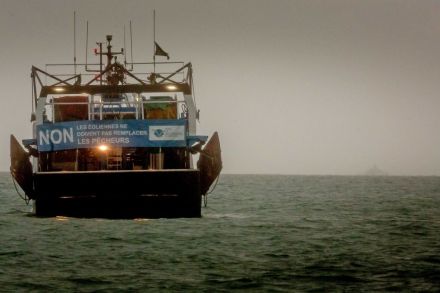
The stand-off between France and Britain has escalated into something altogether more serious. Yesterday, the French maritime minister called for Jersey’s electricity supply to be cut off in response to a dispute over fishing rights. Egged on by French officials, around 80 boats began blockading the port of St Helier this morning in a move that is reminiscent of Ursula von der Leyen’s aborted plans for a hard Irish border to stop the flow of vaccines into the UK. Now there are scenes of British Navy vessels approaching the fishing boats as French ships chart a course for the Channel island. Some on the Continent are claiming that the stand-off has been manufactured by Boris Johnson to deflect from his various scandals ahead of today’s elections.

Why Boris could benefit from the Jersey fishing dispute

From our UK edition

It's polling day for the local elections but the focus of the government is on Jersey, where a row has broken out over post-Brexit fishing rights. After 80 French boats gathered at St Helier in protest over new licences required for fishing there, the UK hit back by sending two British naval patrol vessels as a precautionary measure. Now the French government has sent naval ships of its own and a war of words is underway between the two sides. The European Commission has called for calm but the situation remains unstable to say the least France's Sea Minister Annick Girardin was the first to up the ante – suggesting the fishing restrictions could lead to France turning Jersey’s electricity off.

What Seaspiracy gets right and wrong about eating fish

From our UK edition

Who will have a fishy on a little dishy/Who will have a fishy/When the boats come in? Far fewer of us, probably, after the new Netflix documentary, Seaspiracy, 90 minutes of devastating criticism of the fishing industry. Among the more eyecatching assertions is that the oceans will be empty of fish by 2048 and that there is no such thing as sustainable fish. The producer is a vegan called Kip Anderson who produced a similar critique of the meat industry, Cowspiracy. It doesn’t trip off the tongue, but the gist is the same: stop eating meat and fish. It's contention that the seas will be empty by 2048 has been seen off by the marine ecologist, Boris Worm, author of a 2006 report on which it is based, as an unwarranted projection into the future of trends he has identified.

Where to order your post-Brexit fish

From our UK edition

It’s Lent, and you know what that means? Fish, that’s what. Once, the point of the whole fast and abstinence thing was to eschew meat, which meant eating fish instead. Indeed, the fish-fasting association was so important for the fishing industry that when the Reformation came, much Catholic practice was jettisoned, but not the obligation to eat fish in Lent. Now, there’s a further rationale, two in fact. Brexit, plus Covid, a double whammy for the industry. Post Brexit, there are endless impediments to exporting to the EU, formerly an enthusiastic taker of British fish and shellfish, unless suppliers are lucky enough to be part of a bigger consortium which handles the paperwork and even if you do the whole process is more expensive.

Will Boris’s Brexit deal sail through the Commons?

From our UK edition

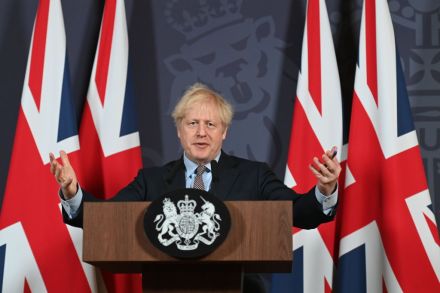
After Boris Johnson waxed lyrical about his Brexit deal in today's Downing Street press conference, it's now over to MPs to give their verdict. During the press conference announcing the terms of the deal agreed between the UK and EU, the Prime Minister confirmed that the government plans to put the deal to a vote on 30 December. MPs have already voiced concerns about the lack of time for proper scrutiny – and the text of the full deal (500 pages plus another 1,000 in annexes) is still to be published. But, despite this, the initial signs are promising for the government. Prior to finalising the deal this afternoon, the Prime Minister had conversations over the phone with several Brexiteer MPs to brief them on the outline of the deal.

Fishing could sink the Brexit negotiations

From our UK edition

Throughout the Brexit talks it has been declared that the deal wouldn’t fall over fish. But that is now looking increasingly likely. The two sides remain far apart on the subject and time is running short. Fishing is not the only issue, there are still some disagreements over the Commission’s desire to exempt itself and the European Investment Bank from the subsidy control provisions of the agreement when the UK would have no such carve out. But fish is the most problematic area.

Fishing is now the sole major obstacle to a Brexit deal

From our UK edition

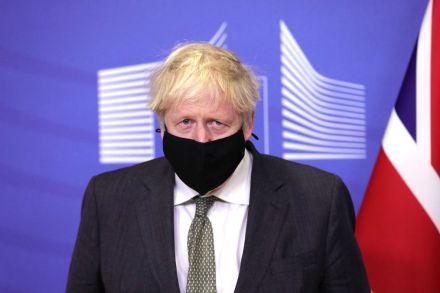
Ursula von der Leyen and Boris Johnson spoke this evening to try and give the negotiations a shove. The statement that the Commission president has released after their call makes clear that fishing is now the biggest obstacle to a deal. She says ‘big differences remain to be bridged, particularly on fisheries. Bridging them will be very challenging’. The Number 10 statement is more downbeat. In a clear attempt to pile on pressure, it declares that ‘Time was very short and it now looked very likely that agreement would not be reached unless the EU position changed substantially.

Boris Johnson has allowed himself to be snookered by the EU

From our UK edition

The UK-EU trade negotiations have heated up again, albeit from a very cold state. Boris seems to have conceded ground on the 'evolution clause' to the European Union, making a path to an agreement on the level playing field issues at least plausible. The UK has accepted that divergence should come at some cost — although the details of how that cost should be managed appear to still be a live issue. With that comes the last hurdle: fishing. Boris Johnson has allowed himself to be snookered by the EU. More than anything else I could point to, leaving fishing to the very end demonstrates the folly of Johnson’s overall negotiating strategy.

Porgy and best

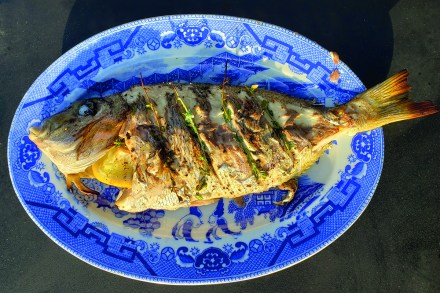
Give a man a fish, and you feed him for a day. Teach a man to fish, and you feed his esteem for a lifetime. There are few miracles greater than what rod and reel will conjure from the deep. So it has been for me as I cast away my cares in this uncertain year. In early spring, I delighted for the first time in the freshwater lake fish of New England. In the cooler months, bluegill, pumpkinseed, yellow perch and largemouth bass all swim close to the Connecticut lakeshore. Fishing from the shore in one such lake in Litchfield County, I found that a simple spinning jig or, better yet, a nightcrawler on a hook and bobber are all that is necessary for a strike. These frisky creatures can be as colorful as their names.

porgy

Wrecking the Brexit talks won’t help our fishermen

From our UK edition

‘Every country has a political problem with its fishermen,’ wrote Peter Walker, the Conservative minister who negotiated the first effective EU-UK fishing deal in 1983. ‘Everyone sympathises with the tough life they lead. They all want to take as much fish as they can.’ And here’s Michel Barnier, still speaking as the EU’s chief Brexit negotiator in Dublin last week despite rumours he’s about to be sidelined: ‘Without a long-term, fair and sustainable solution on fisheries, there will simply be no new economic partnership with the UK.’ Those quotes encapsulate the bizarre fact that an industry which contributes just £1.