Erich korngold

What cinema gets wrong about conductors

André Previn began his career at MGM. And after he’d quit the studio to become conductor of the London Symphony Orchestra, he liked to share an anecdote. His old Hollywood pal Norman Jewison, the director of Rollerball, brought a film composer friend to hear Previn conduct the LSO. ‘It’s nice, isn’t it, to see André here at the Festival Hall, with his own orchestra, getting cheered because of his performance of Beethoven’s Ninth?’ ventured Jewison. His colleague nodded: ‘Sure, but you have to admit – it’s a shame how completely he screwed up his career.
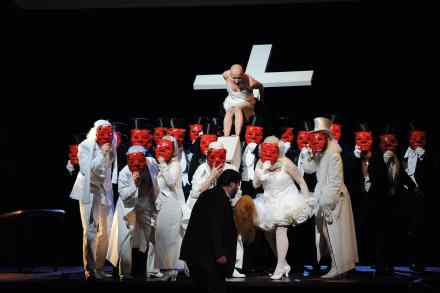
The opera that wouldn’t die

When Erich Wolfgang Korngold completed his third opera, Die tote Stadt, in August 1920, he’d barely turned 23. Yet such was his reputation that what followed was practically a Europe-wide bidding war for rights to the première. The young composer had his pick of companies and conductors (the Vienna State Opera tried and failed). In the end – almost unprecedentedly – Die tote Stadt was launched on the same night in two cities simultaneously. Audiences in Hamburg and Cologne both erupted into applause, but Korngold, who could be in only one place, had chosen Hamburg – where he was so dazed by the response that Richard Strauss, who was present in the audience, had to remind him to go up and take his bow.