David cameron

Budget Day: should our times really be called ‘the age of austerity’?

From our UK edition

It is Budget Day. Prepare for another barrage of “messages” about the virtues or perils, depending on your point of view, of ‘austerity’. From where has this ubiquitous term come? And should it apply to our times? Dot Wordsworth, our language columnist, has some answers: ‘If we are invited to think we are experiencing austerity, despite the heaps of cheap clothes in Primark or expensive food in Waitrose, then it is Mr Cameron’s doing. In April 2009, not so long ago, at the Conservative spring conference (that needless enterprise) he promised an ‘age of austerity’.
Number 10: Cameron was awake and available throughout the negotiations

From our UK edition

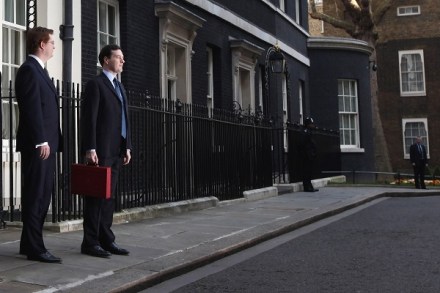
A senior Number 10 source tells me that David Cameron was awake and available throughout the Leveson negotiations. They also point out that Nick Clegg left the meeting at 11.30pm, before the crucial business was done. On the Hacked Off point, they insist that Oliver Letwin ‘very politely’ asked them to leave the room for the sensitive part of the discussions. I’m told that Cameron then chaired a 6am conference call on the result of the negotiations where he declared himself satisfied. He feels that he’s avoided a press law. Downing Street is bristling at the idea that they got the worst end of the deal. They argue that Hacked Off wanted full statutory regulation and they haven’t got that.

Press regulation: Ceci n’est pas une statute

From our UK edition

The party leaders should finish their discussions on Leveson - by phone - in the next hour or so. We'll then get a statement in the Commons on the outcome of those talks, and it's highly likely that all three leaders will speak as part of that statement. But the big debate now is whether what they have signed up to already constitutes the statutory underpinning that David Cameron was so very keen to avoid. There are two amendments to two different pieces of legislation relevant to press regulation: one on the Crime and Courts Bill on exemplary damages, and one to the Enterprise and Regulatory Reform Bill which prevents politicians meddling with the Royal Charter.

Afriyie fails the interview test

From our UK edition

The Adam Afriyie leadership speculation has now got to the point where he’s been interviewed by Andrew Neil on the Sunday Politics. His first big broadcast interview as a potential leadership candidate was always going to be a big test for Afriyie and he failed to impress today. Afriyie, who looked like he’d been heavily coached for the encounter, failed to properly answer the questions put to him or to make a case for any alternative vision. He was even unprepared to say whether or not he supported means-testing pensioner benefits. On the whole question of his own ambitions, Afriyie was hugely unconvincing. Moments after declaring ‘I have no ambition to lead my party’ he referred to ‘my team around me’.

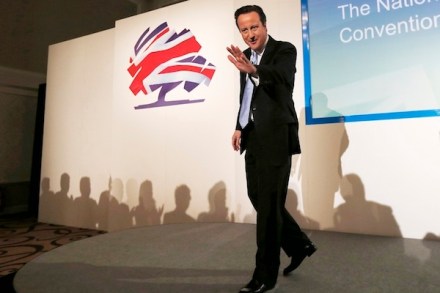
David Cameron tells Tory Spring conference: Our battle is with “socialist” Labour

From our UK edition

The Tories know that if the next election is a referendum on the current government, it’ll be very difficult for them to win. But if it is a choice between them and a Labour government, then they are in with a good chance. David Cameron’s speech to his party’s Spring Forum today ends with a list of what a Labour government would do in its first 100 days in office. It shows how keen the Tories are to frame the next election as a choice, not a referendum, that Cameron is prepared to publicly contemplate defeat to do this. Interestingly, there's no mnetion of the Liberal Democrats or the coalition in the speech.

David Cameron brings Leveson debate to a head over bill hijack fears

From our UK edition

Those involved in the Leveson talks from the Labour and Lib Dem side say they had no idea the Prime Minister was going to pull the plug on the cross-party discussions this morning until a conference call shortly before David Cameron's hastily-arranged press conference. An angry Lib Dem source tells me: 'It was completely out of the blue to be honest. Over the last few days the talks have been making gal progress and we were moving towards a deal. We thought a solution was possible. There were other things we war pushing for, such as some form of statutory underpinning to protect the Royal Charter from future political interference.

PMQs sketch: Nothing changes, yet everything is different

From our UK edition

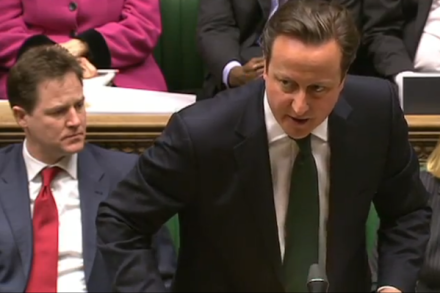
There comes a moment in a PM’s journey when he crests the ridge and starts on the downhill leg. David Cameron made that unhappy transition today. PMQs began with a gag from a Labour backbencher. Tom Blenkinsop: ‘The prime minister may believe there’s no alternative to the double dip. But some in the cabinet believe there is an alternative. To him!’ Cameron replied by listing his usual trinity of attainments. Lower deficit, more jobs, interest rates at record lows. Then Ed Miliband had a go. Instead of raising an issue, he went for Cameron’s reputation. ‘Given the government’s U-turn on alcohol,’ he said, ‘is there anything the prime minister could organise in a brewery?’ Cameron improvised.

PMQs: David Cameron flails as Tory backbench stays glum

From our UK edition

Today's Prime Minister's Questions was not a good one for David Cameron, but it could have been a great deal worse. With a U-turn on minimum pricing on the cards and open dissent in the Cabinet and on the backbenches, the PM arrived knowing he'd have his back up against the wall, even though Ed Miliband has struggled to make effective attacks on big issues in the last few weeks. The Labour leader had some good jokes, too. His opening line - 'in the light of his U-turn on alcohol pricing, can the PM tell us, is there anything he could organise in a brewery?' - was particularly good, and set the tone for the rest of the exchanges.

David Cameron won’t debate Alex Salmond because televised debates are for losers.

From our UK edition

The standard assumption about political debates is that the campaign with most to gain in all in favour of them while the candidate presumed to be the front-runner wants nothing to do with them. Franklin Roosevelt refused to debate Wendell Wilkie in 1940, LBJ refused to debate Barry Goldwater in 1964 and, four years later, Richard Nixon (perhaps recalling his experience in 1960) declined to debate Hubert Humphrey. Indeed, you can argue that the modern American practice of Presidential debates might not exist at all but for the weakness of the position in which Gerald Ford found himself in 1976. As matters stand, I suspect there will be some reluctance to repeat 2010's experiment with televised debates between the three principle party leaders.

Tory loyalists strike back

From our UK edition

Lynton Crosby spoke to Tory MPs this evening about the imporance of party discipline. With the Chief Whip in the chair, meetings of the Tory parliamentary party are normally fairly loyalist events. Tonight’s was no exception and with David Cameron and Lynton Crosby in attendance there was an even greater incentive to good behaviour. I’m told that James Morris, who sits for a West Midlands marginal, earned cheers when he implored colleagues to remember that when they sound off, they hurt those like him who are trying to cling on to their majorities. Kris Hopkins, the no nonsense leader of the 301 Group, complained about ‘self indulgent buffoons’ who keep popping up to tout themselves as alternative leaders.

The Tory leadership needs to make MPs feel valued, not stop them tweeting

From our UK edition

Lynton Crosby is holding his election strategy meeting (first revealed on Coffee House) with Tory MPs at 5.30 this afternoon. One of the things he'll bring up, as reported by Benedict Brogan this morning, is that MPs need to be a little less unruly on Twitter. Obviously that's not their biggest worry, as there's also the problem of MPs coalescing around different future leadership contenders, who are all thinking ahead to what will happen after the 2015 leadership election. I understand from friends of Adam Afriyie that their campaign has managed to stop seven or eight letters asking for a leadership contest to oust David Cameron going to 1922 Committee chairman Graham Brady.

Liam Fox shows David Cameron how to lead the Tories to a historic defeat

From our UK edition

I think it is fair to say that Dr Liam Fox has never been one of David Cameron's chief chums. The former Defence Secretary has, as Paul Goodman notes, been closer to George Osborne. Be that as it may, his speech today is a fine reminder of Dr Fox's political limitations. This is the kind of stuff - and the kind of man, frankly - that helps explain why the Conservative party has not won a general election majority since 1992. Think on that and think on how much Britain has changed these past 21 years and how little the Tory party has. Dr Fox ignored all this, delivering a call to arms like it was 1981 All Over Again. But it is not. According to Fox, however: The great socialist coup of the last decade was making wealth an embarrassment. It is not.

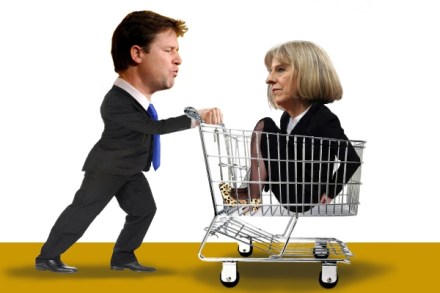
Clegg: the Tories are like a broken shopping trolley – they always veer to the right.

From our UK edition

If you want to know what the Liberal Democrat’s message at the next election will be, read Nick Clegg’s speech to the party’s Spring Conference today. He kept to the refrain that the Liberal Democrats are for a stronger economy and a fairer society and you can’t trust the Tories with society or Labour with the economy. In a sign of the new, more disciplined Lib Dem machine there were no detours from this core theme. Listening to Clegg, you would have had no idea that the leadership had lost a vote on secret courts this morning. Clegg knows that his internal position hasn’t been this strong since the Liberal Democrats entered coalition.

May blossoms

From our UK edition

The question about Theresa May has always been what does she believe? Well, today in the widest-ranging speech of her political career she went a long way to answering that. You can read the speech, delivered at the Conservative Home conference, here. Several things struck me about the speech. First, on economics May is not a classical liberal or a Lawsonian. Instead, she is more in the Michael Heseltine camp. She made the case for a buy British government procurement programme that strikes a ‘better balance between short-term value for the taxpayer and long-term benefits to the economy’. But, in other areas, May is prepared to be more free market than the Tory party has been to date.

Tories and Lib Dems strike deal on mansion tax vote

From our UK edition

Further to Isabel’s post this morning, I understand from a senior coalition source that the two parties have now reached an agreement on how to handle Tuesday’s vote on Labour’s mansion tax motion. The Liberal Democrat leadership has assured their coalition partners that they’ll back a government amendment to it. This amendment will concede that the coalition parties have different views on the issue. The only question now is whether the speaker John Bercow will call it. I suspect that this agreement has been helped by a desire to limit coalition tensions post-Eastleigh and pre-Budget. There is also reluctance on the part of the Liberal Democrats to get dragged into playing Labour’s game.

Dave’s Dozen

From our UK edition

Last year Steerpike broke the news that fourteen rebel backbenchers had written to Graham Brady, the chairman of the 1922 Committee, as part of the formal process to trigger a vote of no confidence in the Prime Minister. The number of names required is forty-six. This morning our editor, Fraser Nelson, reveals that senior rebels now believe that they are ‘half a dozen names away from a coup’. That’s only a minibus of Tories for Cameron to slight in some way or offend; and you wouldn’t bet against that considering Dave’s reputation for brusqueness.

If David Cameron wants to save the NHS, he should sack David Nicholson

From our UK edition

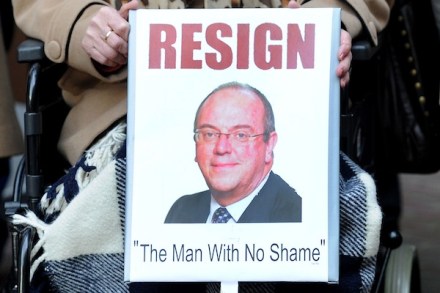
Twenty-five years ago, when he had left the Communist party and taken over as chief executive at Doncaster Royal Infirmary, Sir David Nicholson made a point of promising his staff a ‘job for life’. He has certainly stuck to his ideology. This week he admitted his part in the Mid Staffordshire hospitals scandal, in which up to 1,200 patients died from poor care and neglect. He confessed that as chief executive of the Shropshire and Staffordshire Strategic Health Authority — the body which was supposed to oversee Stafford Hospital — he had failed to notice its high death rates. And yet still he appears to believe that he has the right to stay as NHS chief executive for as long as he likes.

Lurch

From our UK edition

My husband made a little joke. ‘There’s no such thing as a free lurch,’ he said, looking up from his Sunday Telegraph. In it, David Cameron had declared: ‘The battle for Britain’s future will not be won in lurching to the right.’ Lurching is a nicely pejorative word. A lurch could only be welcome accidentally. The word suddenly popped up in the 19th century. No one is known to have used it earlier than Byron in 1819, in Don Juan, where he contrives a Byronic rhyme: ‘A mind diseased no remedy can physic/ (Here the ship gave a lurch, and he grew sea-sick).’ Its origins are mysterious but nautical. A clue may be found in the works of William Falconer, who is more or less a one-book man.

David Cameron DOES have a magic money tree

From our UK edition

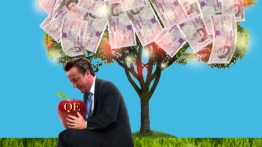
So David Cameron says there is 'no magic money tree'. In his big economy speech today, the Prime Minister said:  'Now of course there are plenty of people out there with different advice about how to fix our broken economy. Some say cut more and borrow less, others cut less and borrow more. Go faster. Go slower. Cut taxes. Put them up. We need to cut through all this and tell people some plain truths. So let me speak frankly and do just that. 'There are some people who think we don’t have to take all these tough decisions to deal with our debts. They say that our focus on deficit reduction is damaging growth. And what we need to do is to spend more and borrow more. It’s as if they think there’s some magic money tree.

David Cameron needs Willie Whitelaw. He has Nick Clegg

From our UK edition

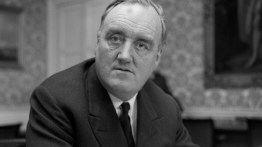
David Cameron needs a Willie. So say the ministers who work most closely with No. 10. It is not a call for shock-and-awe radicalism, but for someone who can help the Prime Minister as the late Willie Whitelaw helped Margaret Thatcher — gliding around Whitehall, pushing forward the Cameron agenda, smoothing over difficulties and ensuring that Downing Street’s writ runs in every department. Whitelaw did the job superbly for eight years; it is no coincidence that things started to go wrong for Lady Thatcher after a stroke forced him to give up his role. But Cameron doesn’t have a Willie. He has the opposite of a Willie: a Deputy Prime Minister who has his own interests to look after, his own policies to pursue and his own party to lead.