Criticism

The pedants’ revolt

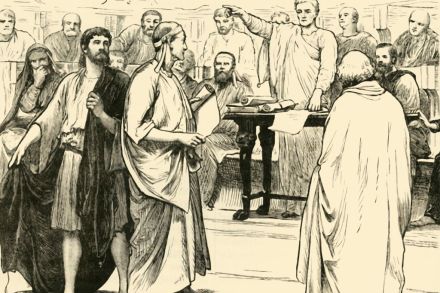
The scene is the imperial palace on the Palatine Hill in Rome in the 2nd century. The philosopher Favorinus is waiting to greet the emperor Hadrian when a grammarian corners him and launches into a lecture on the grammatical qualities of the word penus, meaning “provision.” “Well and good, master, whatever your name is,” Favorinus replies wearily. “You have taught us more than enough about many things of which we were indeed ignorant and certainly did not ask to know.” A thousand years later, the Muslim polymath Ibn al-Jawzi tells of an Arabic grammarian, notorious for punctilious use of archaic language, attempting to negotiate with a carpenter. “What is the price that this pair of doors costeth?” the scholar asks.
Intellectuals pedants

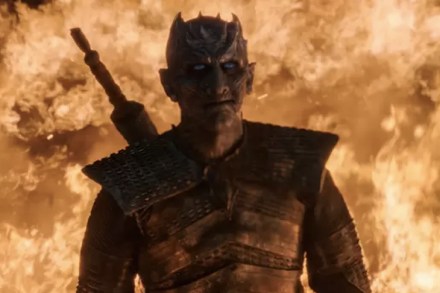
What do Game of Thrones critics think they’re watching?

Romain Rolland once complained that ‘there is too much music in Germany.’ Today there are too many television critics in the world. Some of the finest writers of multiple generations spend most of their writing lives recapping last night’s television. Is any of it really criticism, or are thousands of words agonizing over, say, Don Draper, adding up to anything more than the digital equivalent of chip wrapping? Such thoughts do not bother the critics. They are convinced of their rectitude, secure in their sense of being the most powerful tastemakers in the land. As the New Yorker’s queen of TV Emily Nussbaum put it in 2015: ‘Those of us who love TV have won the war. The best scripted shows are regarded as significant art - debated, revered, denounced.

game of thrones