Conservative party

Number 10 distancing itself from Law Commission’s secrecy proposals

From our UK edition

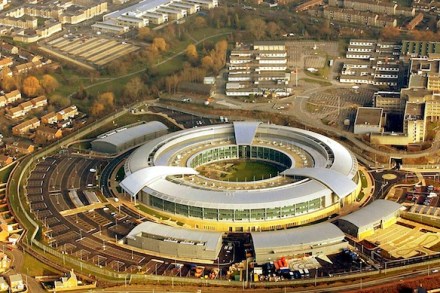
There has been an understandable, and justified, outcry about the Law Commission’s proposed changes to secrecy legislation. The current proposals present a serious threat to investigative journalism and whistle blowers. But Theresa May’s Number 10 is very keen to point out that this review was something commissioned not by them, but by David Cameron’s Number 10. ‘This is a consultation by an independent body instigated by the previous Prime Minister’ is how one May aide describes it—which is a clear attempt to distance the current Prime Minister from this whole business. I am told that it is highly unlikely that the proposals will be implemented in their current form.
Why the Lords won’t block Brexit

From our UK edition

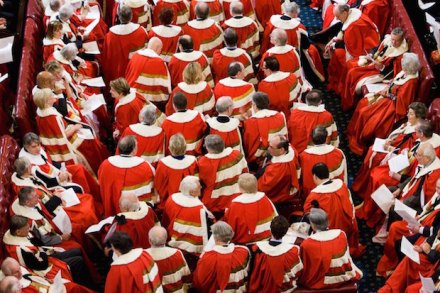
The government has no majority in the House of Lords and a majority of peers were pro-Remain. But despite this, the Article 50 Bill will get through the Lords I argue in The Sun this morning. Why, because the reason that we still have an unelected chamber in the 21st century is that the House of Lords has a strong self-preservation instinct: it knows its limits. If the Lords were to try and block something that had been backed in a referendum and had passed the Commons with a majority of 372, then it would be endangering its very existence. Indeed, I understand that the Labour front bench have already made clear through the usual channels that they won’t try and block the bill. There will, of course, be attempts to amend it.

Motion of no confidence in Bercow tabled

From our UK edition

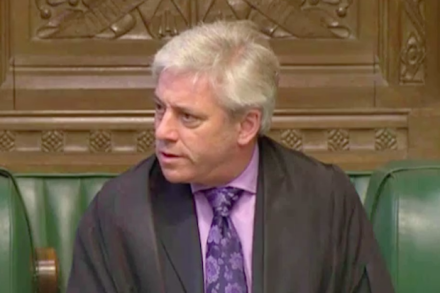
The Tory backbencher James Duddridge has formally tabled a motion of no confidence in the Speaker John Bercow. Duddridge’s attempt to remove the Speaker follows Bercow’s outburst against Donald Trump from the chair on Monday, which further called into question his impartiality and his judgement. Duddridge’s motion is unlikely to succeed. The SNP and nearly all Labour MPs will back Bercow while the government has no appetite for getting drawn into this fight. The vote, though, will be an embarrassment to the Speaker. There’ll be a sizeable number of Tories who vote for it, 150 is the number being talked about tonight, and it will show how Bercow has lost the confidence of a section of the House. But Bercow is not the type to be embarrassed into standing down.

The House of Commons votes for Brexit

From our UK edition

The drink will be flowing in the government whips’ office tonight. For the Brexit Bill has passed through the Commons unamended and with an absolutely thumping majority at third reading of 372. This means that a clean bill will go to the House of Lords. This will strengthen the government’s hand there as peers will be more reluctant to make changes to a clean bill and one that has passed the Commons with such a large majority. Despite all the talk of knife-edge votes, the government’s majorities tonight were pretty comfortable—30 or above on all the amendments.

A wake-up call for Parliament

From our UK edition

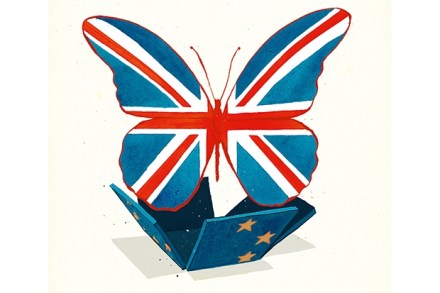
Parliament is the cockpit of the nation, but MPs have been on autopilot rather a lot in the past 40-odd years. Ever since the United Kingdom joined the European Economic Community, more and more powers have been passed away from Parliament to Brussels and its institutions. Brexit will see these powers come flowing back to Westminster. So it was appropriate that the Supreme Court has decided that Parliament must legislate for the triggering of Article 50, the two-year process by which this country will leave the EU. For MPs to vote against Article 50 would be to vote against the referendum result itself; it says nothing about the terms on which Britain will leave the EU.

May has taken back control

From our UK edition

‘No negotiation without notification’ has been the EU’s mantra since 24 June last year. Its leaders have been determined that there’ll be no talks before Britain has formally submitted its Article 50 letter, starting the two-year countdown to this country leaving the union. Even now, after Theresa May has set out her Brexit plans with a decent amount of detail, the EU is sticking to this line. Why? Because it wants Britain to be negotiating against the clock. Despite this, there have been informal conversations over the past six months that have helped forge the Brexit strategy that May set out on Tuesday.

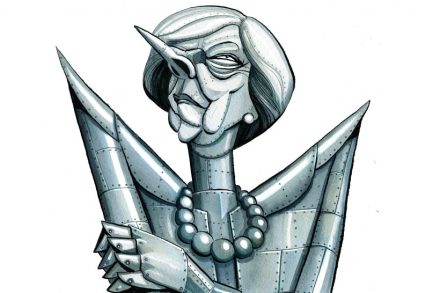
Why Theresa May isn’t the new Iron Lady

From our UK edition

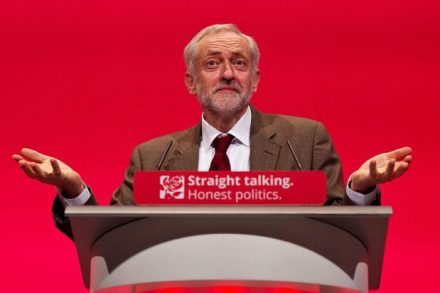
Curbs on executive pay, restrictions on foreign takeovers and workers on boards. Not Jeremy Corbyn’s plan for Britain, but ideas raised by Theresa May and put forward for discussion at her cabinet committee on the economy and industrial strategy. Not for 40 years have the Tories had a Prime Minister so firmly on the left of the party. May joined the Tories before Margaret Thatcher became leader and in many ways she represents a bridge back to the pre-Thatcher era. That is why comparisons between Britain’s two female prime ministers don’t reveal much — they come from very different traditions. Since Thatcherism took over the party, many Tories have looked to the United States for intellectual inspiration. But May is more of a continental-style Christian Democrat.

Theresa May, left-wing Tory

From our UK edition

Curbs on executive pay, restrictions on foreign takeovers and workers on boards. Not Jeremy Corbyn’s plan for Britain, but ideas raised by Theresa May and put forward for discussion at her cabinet committee on the economy and industrial strategy. Not for 40 years have the Tories had a Prime Minister so firmly on the left of the party. May joined the Tories before Margaret Thatcher became leader and in many ways she represents a bridge back to the pre-Thatcher era. That is why comparisons between Britain’s two female prime ministers don’t reveal much — they come from very different traditions. Since Thatcherism took over the party, many Tories have looked to the United States for intellectual inspiration. But May is more of a continental-style Christian Democrat.

Can Jeremy Corbyn reinvent himself as a Trot Trump?

From our UK edition

'Populism' is a useless word. By definition, anyone who wins an election is more popular than his or her opponents are. According to this logic, John Major and Barack Obama must have once been 'populists', which does not sound right at all. When we use 'populist' today, we should mean something more than popular. The label covers movements of the nationalist right, which claim to speak on behalf of 'the people' against immigrants, cosmopolitans, and multinational institutions. Their most distinctive feature is their contempt for the checks and balances of complicated democracies. From Law and Justice’s Poland to Trump’s America, they attack judges, journalists, opposition politicians and parties as 'enemies of the people' – a 'people,' of course, only they represent.

Full text: Theresa May’s ‘shared society’ speech

From our UK edition

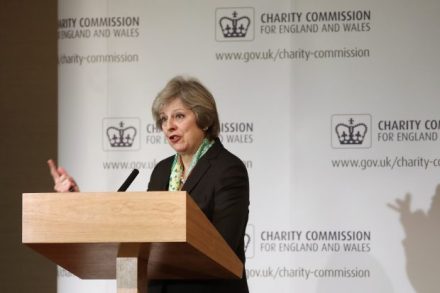
Thank you for inviting me to be here this morning to deliver the prestigious Charity Commission Annual Lecture. I am delighted to have this opportunity to express my appreciation for all those who work in our charity sector and for those who freely give their time, money and expertise in the service of others. We are a country built on the bonds of family, community and citizenship and there is no greater example of the strength of those bonds than our great movement of charities and social enterprises. But the strength of that civil society – which I believe we should treasure deeply – does not just depend on the ingenuity, generosity and commitment of countless volunteers, social entrepreneurs and philanthropists.

What does Theresa May’s ‘shared society’ really mean?

From our UK edition

While getting the Tory leadership contest out of the way quickly was good for the country following the EU referendum, it did mean that Britain gained a new Prime Minister without much idea of what she believed or wanted to do with her time in office. Theresa May did set out some principles for her government when she stood on the steps of Downing Street on her first day in the job, and in her autumn conference speech, but how she plans to help the ‘just managing’ and how much she really intends to do by way of domestic reform when Brexit is such a big distraction - and potentially a convenient excuse. But as I say in the magazine this week,  the Tory leader is keen that Brexit isn't the only thing by which her premiership is judged.

Theresa May won’t get a better chance to deal with the social care crisis

From our UK edition

What is the greatest problem facing Theresa May this year? The Prime Minister is preparing for her speech on what Brexit means (in which she will presumably have to speak in sentences rather than using random and meaningless slogans), but that's not the only major policy issue that she should deal with in 2017. As I explain in this week's magazine, Cabinet ministers are growing increasingly agitated at what they see as a paltry response to the social care crisis. As MPs, they are being lobbied by furious council leaders who say that nothing announced so far even comes close to alleviating the crisis. As ministers, many of them see the effects of a poor settlement on social care funding in their portfolios.

Philip Davies interview: I don’t like being bullied

From our UK edition

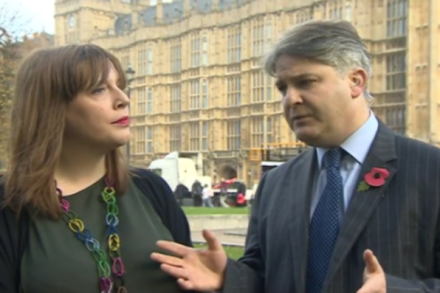
Philip Davies originally wanted to be a journalist but decided against it after coming to the conclusion that he lacked the confidence: 'It was my ambition in life but I just realised I was too shy. You've got to have a confidence that I think I probably never had.' Now an unruly backbencher, it's hard to believe the MP for Shipley is one to suffer from self-doubt. Westminster's pantomime villain, Davies has a reputation for championing unfashionable causes – from talking out bills that help the vulnerable to standing up for men's rights in the face of 'militant feminists'. Last month he gave his critics fresh cause for complaint when he was elected – unopposed – to the Women and Equalities select committee.

Podcast: Will Tories or Ukip profit from abandoned Labour voters?

From our UK edition

The Copeland by-election will be a fascinating test of whether Brexit can open up more votes for the Tories in the north – the topic of my Daily Telegraph column today. Labour is slowly abandoning its working class voters, with their unfashionable views on human rights and immigration. This was happening under Ed Miliband, and the forces wresting traditional Labour voters away from the Labour Party were laid out in detail by a strikingly prescient report by the Fabian Society entitled 'Revolt on the Left'. It identified the various groups of voters moving away from Labour: typically the low-waged and less prosperous pensioners. Those in work tended to resent those who were not. They resented Labour for losing control of immigration and the abuse of welfare.

Labour MP Jamie Reed takes the nuclear option and quits parliament

From our UK edition

Jamie Reed, the Labour MP for Copeland, has announced he is stepping down from Parliament from the end of January 2017. He is leaving to work at Sellafield, which is in his constituency. Reed is a well known critic of Jeremy Corbyn, and though his resignation letter is warm and polite, it makes frequent and pointed references to the need for a Labour government. It closes with Reed wishing Corbyn well in his endeavours to become the next Labour Prime Minister, something the MP has made pretty clear in previous statements that he thinks is impossible. [caption id="attachment_9717962" align="alignnone" width="702"] Jamie Reed's resignation letter[/caption] So why is he leaving? Reed's constituency is now a marginal seat, with a majority of just 2,564.

Strikes shouldn’t be able to shut down key railway lines

From our UK edition

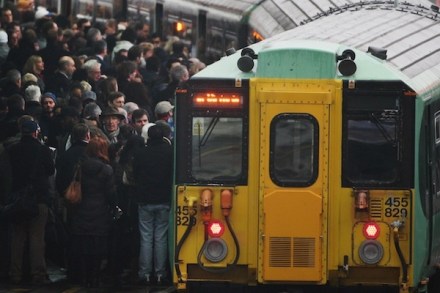
300,000 people were hit by Aslef and the RMT’s strike on Southern Rail yesterday. The bad news for commuters is that things will get worse in the New Year. The unions have a six day strike planned for January, that means a whole working week of commuters not being able to get to their jobs, specialist medical appointments being missed and families being put under pressure. I argue in The Sun today that the government needs to act to help commuters. What it should do is ask parliament to pass a law that would impose minimum service requirements on the rail unions and the train operators. Never again should a whole line be able to be taken out by strike action. I understand from those MPs pushing for this, that Chris Grayling is supportive.

What the trouser row really tells us about Theresa May

From our UK edition

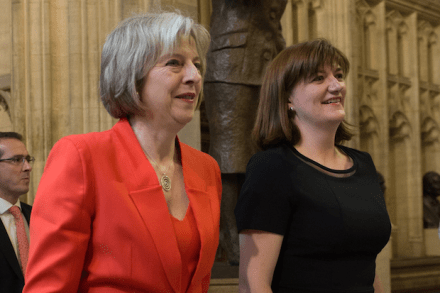
It would be extraordinary if a row about a pair of trousers had continued into a second week - if the row were just about a pair of trousers. As I wrote last week (when I thought the fight over Nicky Morgan’s comments about Theresa May owning a pair of £995 leather trousers was starting to fade), it was a curious intervention for a female politician to make about one of her sisters, especially when Morgan is an MP on a salary three times the national average anyway. But what this row is really about, as well as an ill-judged act of personal revenge from Morgan for being dispatched from the Cabinet by May, is about the way Number 10 and the Conservative Party is now being run.

Theresa May: ‘I get so frustrated with Whitehall’

From our UK edition

The Prime Minister’s office is a small, unimpressive room in 10 Downing Street with miserable views and unexceptional furniture. Since moving in, Theresa May has spruced it up — but only a little. There is now a large glass meeting table; her predecessor preferred to chat on the sofas. She has also delved into the government art collection to retrieve two pictures of Oxford, where she honed her interest in politics and met Philip, her husband. She has also picked a painting of an English country church (she is of course a vicar’s daughter), and that’s about it. It’s a place for work and — very occasionally — interviews. We meet a few weeks after Mrs May won The Spectator’s Politician of the Year award.

The Spectator’s Notes | 8 December 2016

From our UK edition

‘Are you Charles Moore of The Spectator?’ I answered to that description. ‘Well,’ said my questioner, ‘I am worried that you’re becoming very right-wing.’ We were sitting by the fire in a charming, smoky hut with no electric light and lots to eat and drink. It was a shooting lunch, the sort of occasion where one is seldom held to account for anything. I could have tried to laugh the question off, but my interrogator exhibited high intelligence and class confidence, so I sensed she wouldn’t let me get away with that. Unfortunately, I didn’t know how to answer her. I am not offended by being called right-wing, because I don’t agree with the left-wing view that right-wingery is a mark of personal turpitude.

Unforgiven

From our UK edition

Now that almost six months have passed since the EU referendum, might it be time for old enemies to find common ground? Matthew Parris and Matt Ridley, two of the most eloquent voices on either side of the campaign, meet in the offices of The Spectator to find out.   MATTHEW PARRIS: Catastrophe has not engulfed us yet, it’s true. But I feel worse since the result, rather than better. I thought that, as in all hard-fought campaigns, you get terribly wound up and depressed when you lose. Then you pick yourself up, dust yourself down and start all over again. But my animosities — not just towards the Brexit argument, but towards a lot of the people who advanced it — haven’t softened, I’m afraid.   MATT RIDLEY: I noticed that.