Commerce

The Georgians feel closer to us now than the Victorians

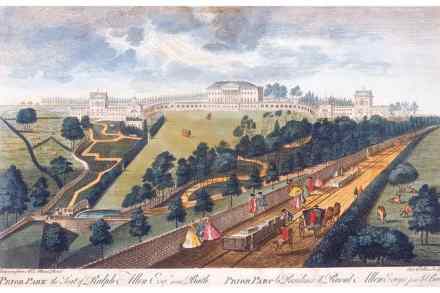
‘The two most fascinating subjects in the universe are sex and the 18th century,’ declared the novelist Brigid Brophy when the ban on Fanny Hill was lifted in 1963. Penelope Corfield’s big, handsome, enjoyable book goes a good way to illustrating Brophy’s assertion. Part source book, part interpretive history of the long 18th century (1688-1837), it is also a guide and gazetteer to the continuing presence of Georgian England in our towns and minds. The world before 1688 is largely unfamiliar to us. The 18th century, however, with its lovable rogues, its introduction of constitutional monarchy, its rights of man and its sexual libertines, is akin to ours.

No, black-owned businesses probably aren’t losing out more due to the pandemic

From our US edition

The coronavirus has devastated many small businesses. Historically, ownership offered a solid if not prosperous choice for many white males, particularly in the postwar period. You can see evidence of their successes on golf courses, in retirement communities and on cruise lines. While white men still dominate the business-owning class, other demographic groups have a strong small business presence, particularly in immigrant-rich cities like New York. These groups are especially vulnerable to the economic impact of the coronavirus lockdown.The black business community has expanded substantially in recent years. The latest comprehensive government statistics, from 2012, estimate that there was a one-third increase from the census of 2007.

black-owned businesses

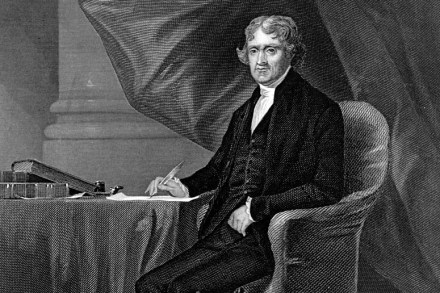
No one in Jefferson’s day suspected the contradiction between commerce and education

From our US edition

Laramie, Wyoming Historians of democracy know that the phenomenon was built upon two principal social structures: bourgeois commerce and popular education. The first developed during the Middle Ages and grew until eventually it replaced war as the means by which states and individuals acquired wealth; the feudal class gave way to the bourgeoisie. The second developed in the late 18th and early 19th centuries in North America, the United States in particular. The two institutions were widely regarded as socially, morally, economically and politically complementary; necessary to the growth of a solid middle class, of capitalism and of republican government.

jefferson education