The Chinese must be furious. Imagine blowing $1.3m on Jeb!
If you’re paying to gain foreign influence, shouldn’t you buy off someone with…power?
The president wants to deliver peace in our time in Asia
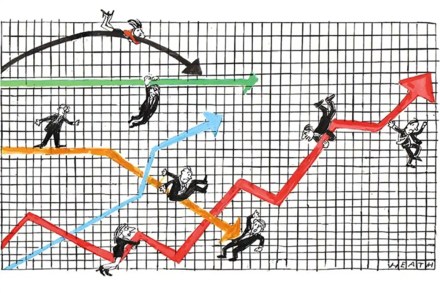
Distant thunder rumbles when ‘recession’ creeps back into America’s vocabulary
The telecoms giant is caught up in another spying scandal
‘On opening my bag, I found a bottle of Jack Daniels with a note from the future President of the US’
Tensions can spawn a crisis when you least expect them
Factionalism within the White House itself and in-fighting over Washington’s China policy was on full display
Globalists beware: inflation is a tax on the poor
Beijing will seek friends in defence of globalisation and the other mantras Xi likes to unroll
Sydney For decades, Australia has been known as ‘the lucky country’. At the end of the world geographically, we are separated from the global troublespots by vast oceans. We have recorded 27 years of uninterrupted growth, partly because of a surge in exports of commodities to China. At the same time, our tough border protection policies boost public confidence in, as John Howard put it, ‘who comes to this country and the circumstances in which they come’. As a result, our politics have not been profoundly affected by the kind of populist forces dismantling established parties across Europe. Nor have we witnessed an anti-globalisation backlash. Not for us any Trump-
Given the mutual bluster, threats and sabre-rattling we got used to from Donald Trump and Kim Jong-un, it may be hard to credit the air of sweet reasonableness that has spread over the Korean peninsula in recent weeks leading to the weekend announcement of an end to weapons testing by the North. The potential for a reversion to confrontation is all too evident. Pyongyang has a long record of reneging on agreements and its announcement contained no mention of a reduction in its arsenal that includes missiles which can hit Japan and South Korea even if it stops development of ICBMs aimed at the USA. But, for the moment at
When Anthony Scaramucci announced that he was writing a book about his time with Donald Trump, the joke was that it should be entitled ‘Ten Days That Shook the World’. This, he says, does him an injustice because he managed 11 days as White House communications director before being fired — after a lava flow of stories that seemed extraordinary even by Trumpian standards. But he remained loyal to the President, and has been speaking in his defence ever since. This book promises to reveal one of the deepest mysteries in American politics: how Trump’s mind works. ‘I’m almost done with the manuscript,’ he says, fresh from a meeting with
China ’s imposition today of tariffs on 128 imports from the US was inevitable – and is no doubt exactly the reaction that Donald Trump wants, giving him the excuse to announce yet more tariffs in addition to those on steel and aluminium imports which he has already imposed. After all he did say, even before China announced any form of retaliation: “trade wars are good. It should easy for the US to win one”. A trade war is what he wanted, and what he has got. But does he have any more of a strategy for his trade war than George W Bush had a plan for winning the peace
Nobody likes the sound of trade war, and rightly so. China’s new retaliatory tariffs against US products feel like the beginning of something bad: an escalating tit-for-tat trade conflict between the world’s richest countries which could choke the global economy. But there are good reasons to think that, far from being another silly move by a hothead president, Trump’s right about trade with China and that, as he has with North Korea, he is grasping a dangerous nettle that other presidents dared not touch. It may be scary, but it needs to be done. And it’s not just necessary for America, but perhaps the rest of the world as well.
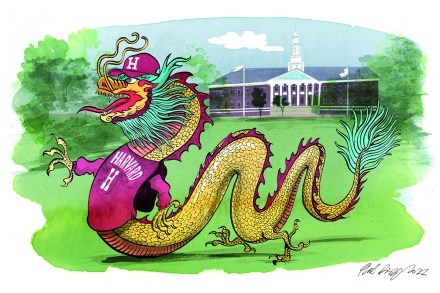
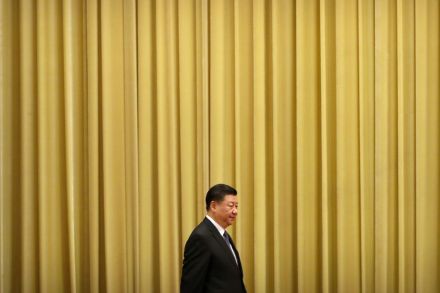
At last, some students in the West are campaigning for freedom and democracy. Following years of supposedly rad students banning pop songs about sex, and force-fielding their campuses against offensive speakers, and even expelling certain newspapers from their common rooms as if they were heretical abominations, a group of students has emerged to demand more liberty, not less. They’re Chinese students, studying in Western universities, and the target of their youthful liberal ire is Chinese President Xi Jinping. This week, Xi convinced the annual sitting of China’s parliament, the National People’s Congress, to scrap the two-term limit on presidency. They didn’t take much convincing, by the looks of things. Out
Why aren’t spy stories sexy anymore? The revelations last year that Beijing destroyed America’s espionage ring inside China a few years ago, including executing a number of US informants, got a brief flurry of attention and then subsided beneath the waves. News reports of American bureaucrats arrested for passing information to the Chinese have also barely raised eyebrows. Now the ex-CIA agent suspected of being the mole that led to the collapse of America’s spy operations in China has been arrested, though on a lesser charge of simply possessing classified information. How long before Americans turn back to Donald Trump’s tweets or the latest #MeToo charges? And why don’t more people seem
The first election day since Donald Trump was elected president a year ago brought a funereal mood to Washington that you could feel on the streets. The swamp, apparently, remains undrained. Elections for governor in Virginia and New Jersey and for mayor in New York City cheered the locals a bit, producing the expected victories for Democrats. Virginia was the most consequential of these. It seemed a harbinger of the next presidential race. The moderate, decidedly un-Trumpian Republican Ed Gillespie was accused of making ‘ugly racial appeals’ — this for expressing the opinion that the statues of Virginia’s Civil War heroes should not be razed in a frenzy of revisionism.