Cartier

Fascinating royal clutter: The Edwardians, at The King’s Gallery, reviewed

The Royal Collection Trust has had a rummage in the attic and produced a fascinating show. Displayed in the palatial gallery adjacent to Buckingham Palace, and described on headsets in the reassuring tones of Hugh Bonneville, are public tokens and personal treasures of two generations: Edward VII and Queen Alexandra, and George V and Queen Mary. Frocks, clocks and diplomatic gifts; purchases and mementoes that give the illusion that the royal family might be, after all, not so unlike us. There’s an unusual tea set, with odd, red photos: as princess, Alexandra took family snaps and had them printed on to these porcelain teacups in 1892, more than 100 years before Moonpig.
Cartier used to be a Timpson’s for the rich

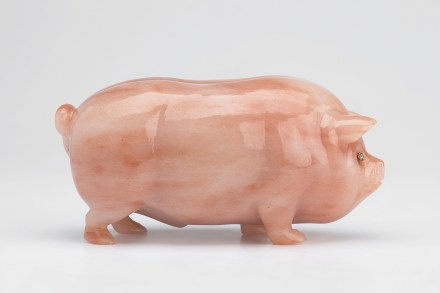
In the fall of, I suppose, 1962, my friend Jimmy Davison and I, window shopping on Fifth Avenue, bumped into the glamorous Venezuelan playboy-grandee Reinaldo Herrera. Jimmy asked where he was going. ‘I’m just nipping into Cartier. They’re fixing my skis,’ Reinaldo replied. Autres temps, autre moeurs. I doubt anyone today uses the world’s most famous jewellers as their local Timpson’s, though I suspect Cartier’s unrivalled in-house craftsmen could still run up a supple sapphire USB cable if requested. I doubt anyone today uses the world’s most famous jewellers as their local Timpson’s Because that was partly the firm’s point. Apart from the staggering banque-busting biggies, they, almost uniquely, made the most exquisite smaller things.

Jewel aid

From our US edition

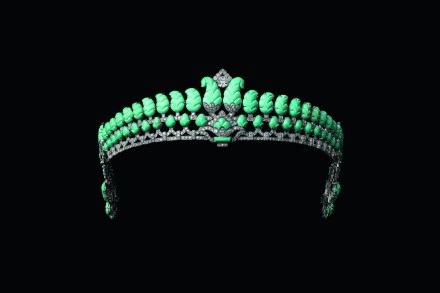
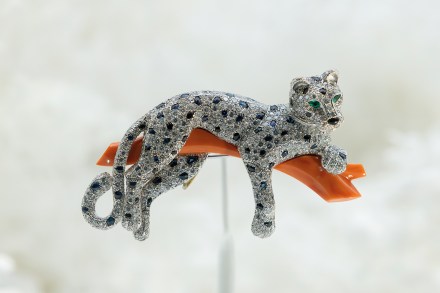
In the late 1890s, the workshop of Maison Cartier adorned its Belle Époque clients in “garland-style” jewelry fashioned from white diamonds in platinum settings shaped like curled ribbons and bows. Soon, however, a more streamlined style began to emerge. In 1904, the workshop produced a small, rhomb-shaped brooch, decorated with smaller rhombs in diamonds and rubies. By the 1920s, Cartier was regularly producing polychromatic jewelry in a linear, abstract style made up of interlocking or tessellated triangles, squares, lozenges and other geometric shapes that had rarely been seen in Western jewelry. The craftsmen also combined brightly colored stones such as turquoise, coral and jade, and they experimented with enamel. What prompted this dramatic change?

cartier