Carthage

How the Roman ranking system actually worked

From our US edition

For otherwise healthy plebs in the Roman world, survival depended on four Fs: farming (the sole source of food and money), fighting, family and friends. Everything else that made life worth living meant having some degree of political control over your own existence, which could be summed up in a fifth F: freedom, or political equality. But the elite had little time for such goodwill towards men. For the plebs, there was the rub. In the 20s BC Livy began writing a history of Rome from its foundation in 753 BC. It was first ruled by a series of seven kings (none actually Roman) who were finally thrown out as tyrants in 509 BC.
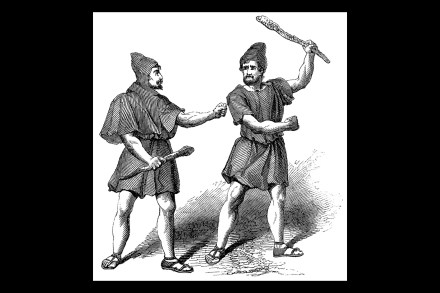
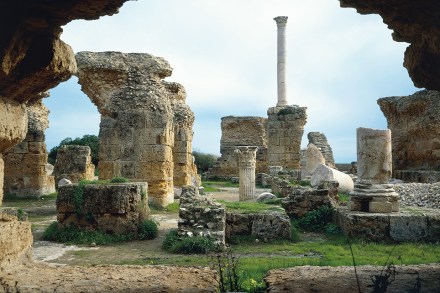
roman ranking

Remembering Dido – and the fate of Carthage

It is a curious fact that between the foundation of Tunis by the Arabs in the 7th century and the foundation of Tel Aviv in the early 20th century no major cities were created on the shores of the Mediterranean. Even those cities were not quite new: Tunis, as Katherine Pangonis points out, was partly constructed out of rubble from Roman Carthage, situated nearby; and Tel Aviv originated as a Jewish suburb of Jaffa. Nor were ancient Mediterranean cities as sizeable as we imagine. Only Rome, Alexandria and Constantinople can be called megalopolises, and Constantinople lies much closer to the Black Sea than the Mediterranean.