Caffeine

Giving up caffeine is a fool’s errand

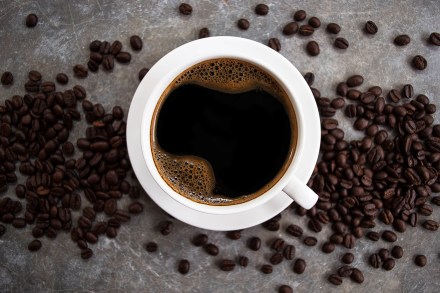
Everyone is giving up something these days. Even before this week’s flood of new year’s resolutions, we’re in the age of subtraction as people shed vices like old skins. Cigarettes, alcohol – those villains have been booed off the stage by the newly health-conscious, whose accusing stare is now turning to a fresh culprit: caffeine. Like most sanitising trends, the anti-caffeine narrative is biggest across the pond. ‘Decaf desirability’ is ‘peaking’, the New York Times told us last month, as turmeric lattes, mushroom elixirs and chicory brews threaten to knock coffee off its perch.
Not everything in the garden is lovely

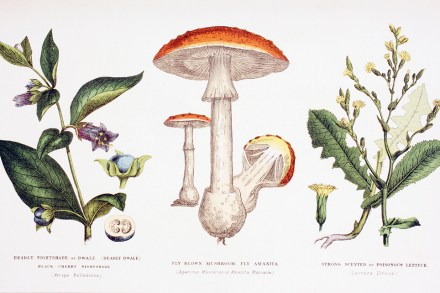
While I was reading Most Delicious Poison, I visited a herbal garden in Spain which features the plants grown by the Nasrid rulers of Granada hundreds of years ago. They cultivated myrtle for its medicinal uses and jasmine for its fragrance. How did they know of myrtle’s properties? Some ancient ancestor must have figured it out. And that ancestor might be more ancient than we realise. Noah Whiteman explains that DNA from plants found in Neanderthals’ teeth tartar suggests even they were self-medicating with herbs. We have been entangled with the chemicals around us for as long as we have been human. The author of this book, a professor of biology at Berkeley, takes us on a global trip through plants and their chemicals.