British

Evie Wyld’s latest novel is unsettling yet hopeful

Evie Wyld’s powerful fourth novel opens from the perspective of Max, a ghost who haunts the south London apartment where he lived with his girlfriend Hannah. A ghost story is new ground for Wyld, the multi-award-winning Anglo-Australian writer, but her signature traits are immediately evident — poetic observations of unusual details; a pervasive sense of grief and palpable trauma, leavened with a wry sense of humor (Max notes his "strong urge to file a complaint" about being a ghost); and an intricate plot that compels readers to delve into complex past events.

Wyld

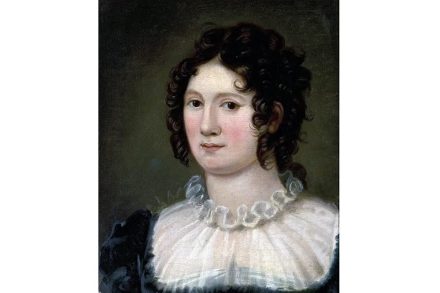
The chameleonic life of Claire Clairmont

Commentary on the young Romantics can be curiously puritanical. Not on saintly John Keats, who died too young to cause any trouble. But Byron and Shelley? Beastly to women, negligent as parents, destructive as friends, oblivious to their own privilege. Feminist observers tend to resemble the English visitors to Geneva in 1816 who borrowed telescopes to spy on the renegade inhabitants of the Villa Diodati across the lake, hoping to be scandalized. A central character in the summer that saw the birth of Frankenstein was the only non-writer of the villa’s gathering, Byron’s young lover and Mary Shelley’s stepsister, Claire Clairmont.

Clairmont

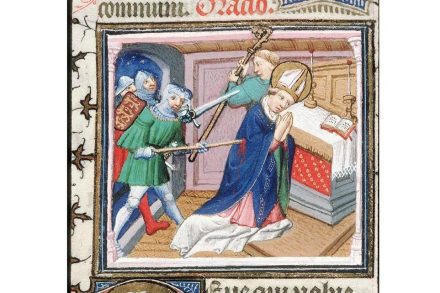
Have you ever heard of the St. Brice’s Day Massacre?

The St. Brice’s Day Massacre? I must admit I hadn’t heard of this “most just extermination” of Danes in Oxford at the instigation of King Aethelred the Unready in 1002, perhaps because the teaching of history in Britain tends to kick off in 1066. You certainly don’t think of Oxford as a place that pioneered techniques of ethnic cleansing. Crypt is a collection of seven essays that unearth details about how certain people lived and died in the past. If you didn’t already know Alice Roberts’s background as an anatomist and biological anthropologist, you’d have a good chance of deducing it from this book.

Roberts