British national party

Jonathan Bowden: my eccentric school friend who became a far-right hero

When my old school, Presentation College, Reading, was demolished a decade ago, the Labour council desperately searched for famous old boys after whom they could name streets on the housing estate that replaced it. This was a challenge. According to the local newspaper, ‘names rejected include one in recognition of Mike Oldfield, the musician behind ground-breaking prog rock album Tubular Bells’ – rejected by Oldfield, I assume, since he hated the school. They settled on Bowden Row, ‘in honour of political philosopher and Presentation alumnus Jonathan Bowden’. I wonder if the residents of the handsome semi-detached houses know anything about Bowden. The council didn’t.

Cosmopolis

From our US edition

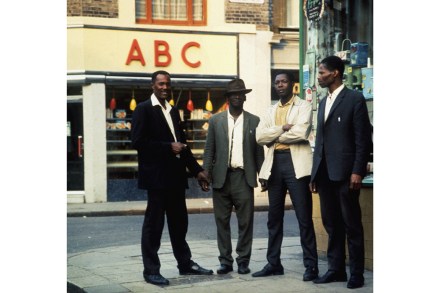
Every history of London, and there have been many, has looked at the importance of migration to the city. Failing to mention that would be as inconceivable as not mentioning the River Thames. Both, after all — one literally, the other metaphorically — flow directly through the city’s heart. In this new and scholarly study, the difference is that London’s history of migration — its patchwork of settlement, its Irish ‘rookery’, its ‘colored quarter’, Huguenot silk-weavers, Jewish street-sellers, German bakers, Italian waiters, Chinatown, Banglatown — is put center-stage. The movement of all these people to London, the city’s extraordinary national, then continental, then international pull, is the story.

migrant