Bomb

Richard Flanagan: Question 7

40 min listen

In this week's Book Club podcast, my guest is the Booker Prize winning novelist Richard Flanagan, talking about his extraordinary new book Question 7. It weaves together memoir, reportage and the imaginative work of fiction. Flanagan collides his relationship with his war-traumatised father and his own near-death experience with the lives of H G Wells and Leo Szilard, the Tasmanian genocide and the bombing of Hiroshima. He talks to me about the work fiction can do, the intimate association of memory with shame, and the liberations and agonies of thinking of non-linear time.

What Roy Greenslade gets wrong about the IRA’s bomb warnings

There are plenty of reasons to object to the journalist Roy Greenslade’s secret support of the IRA, which he now admits to harbouring during his long Fleet Street career. But as a former police officer involved in counter-terrorist search operations during the height of the Troubles, there was one thing in particular that is hard to take: his view on who was responsible for the casualties from IRA bombings.

Why are fake bombs sent to Democrats more shocking than real ricin packages to Republicans?

From our US edition

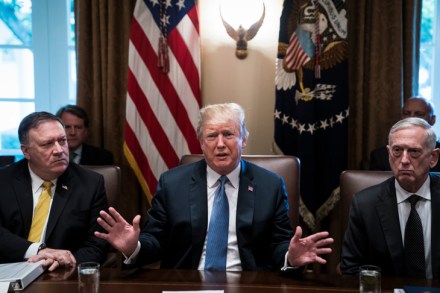
Remember that time American media was consumed with news that the deadly poison ricin – contact with the skin can be deadly – was sent to President Trump, Republican Senator Ted Cruz, Defense Secretary James Mattis, and the Chief of Naval Operations, Admiral John Richardson? Remember all of the introspective opinion pieces wondering if attacks on the president had gone too far? Or if claiming that Republican policies kill people, might not be an incitement to violence? Me either. But who can remember all the way back to October 2? There are a few other differences between then and now. The target then was the president, his Secretary of Defense, a senior naval officer, and a Republican Senator.

ricin