A definitive biography of Liz and Dick, Hollywood’s most controversial and glamorous couple
Roger Lewis answers what it is about Richard Burton and Elizabeth Taylor that still hooks us in

Roger Lewis answers what it is about Richard Burton and Elizabeth Taylor that still hooks us in
In his new book, Philip Hoare moves beyond his own hand to make something reckless, marvelous and unforgettable
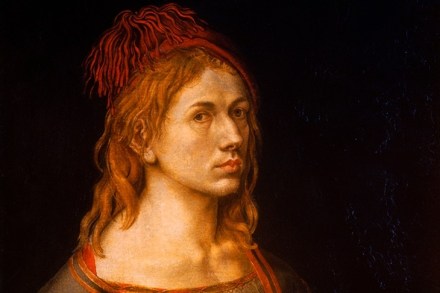
The seventeenth-century philosopher and playwright was a trendsetting, quixotic genius
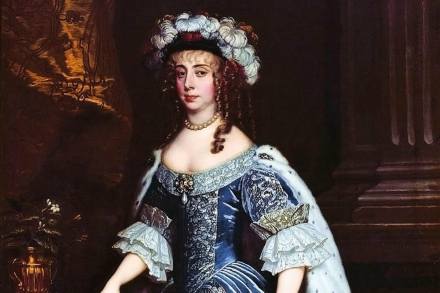
While I expected the le Carré who emerges from it to be a womanizer, a fantasist and a self-server, I didn’t anticipate that he would be such a terrible bore
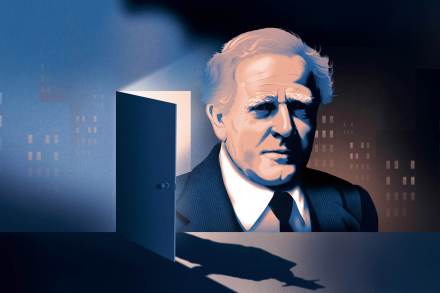
The Marriage Question shows us a woman fragmented
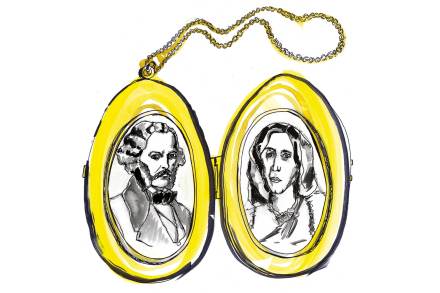
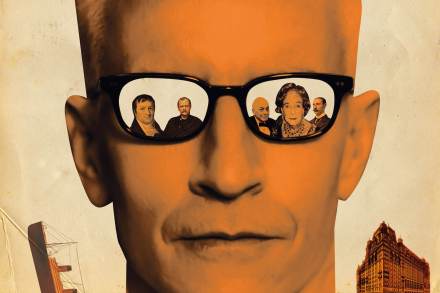
There is a fine, perceptive book to be written about the Astors and their influence, but Astor: The Rise and Fall of an American Fortune is not it
The writer is an easy man to admire and sympathize with, but a hard one to like
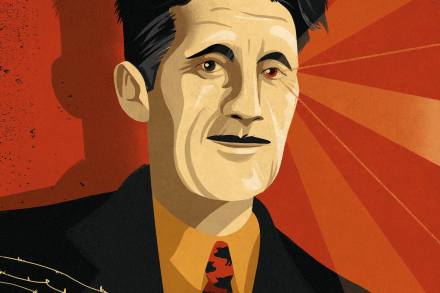
His biographer Chadwick Moore has been added to the lengthy Fox blacklist
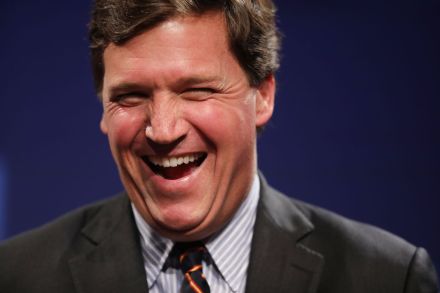
Heaven’s Gate is a 200-minute-plus mess of beautiful incoherences and stupefying contradictions
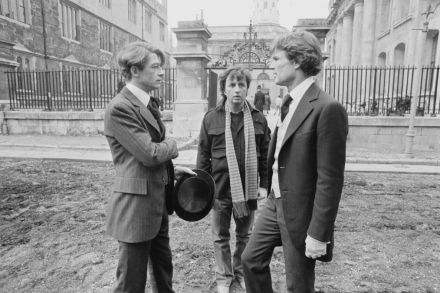
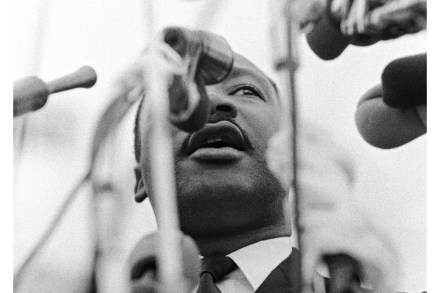
King: A Life is the first comprehensive biography of the black civil rights hero to appear in more than thirty years
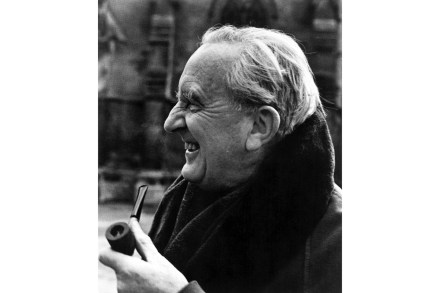
His books and television adaptations keep coming, but we know little of J.R.R. Tolkien’s life

The new biography Ringmaster unpacks a controversial legend
A new biography captures his entire world
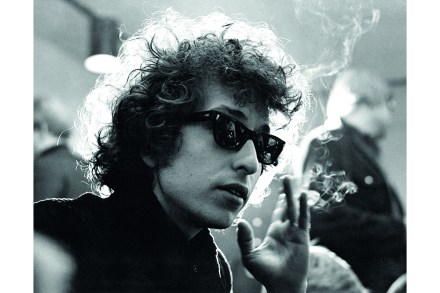
The disgraced biographer may be ‘repellent’ but he still has a right to free speech
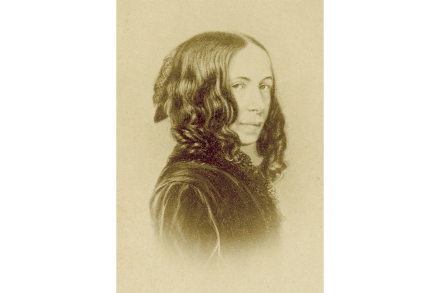
Two-Way Mirror: The Life of Elizabeth Barrett Browning by Fiona Sampson reviewed
Novelists’ careers take different paths, and sometimes don’t look much like careers at all. It’s true that some start publishing between 25 and 35, and write a novel respectably every two or three years until they die, like Kingsley Amis. Others don’t start until they are 60, like Penelope Fitzgerald, or stop abruptly without warning, like Henry Green, or write one novel and no more, like Harper Lee. Inspiration, or interest, comes and goes, and both the audience and the industry will have their wilful way with creativity. The ultimate aim of a novel, to be read with pleasure decades after its creator’s death, is reached in tortuous ways. Who
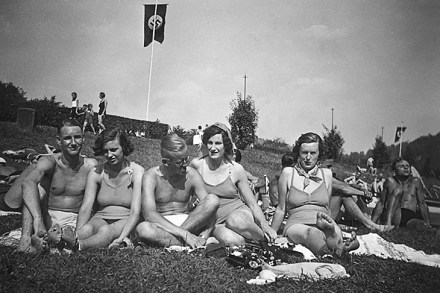
The Twelve Lives of Alfred Hitchcock: An Anatomy of the Master of Suspense by Edward White reviewed

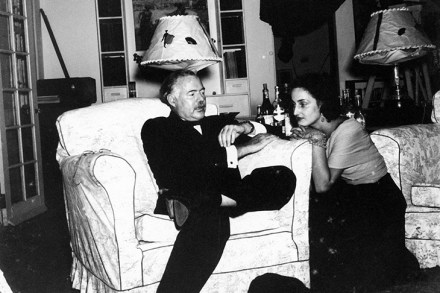
One rainy evening in December 1948, a blue Buick emerged from the darkness of the Venetian lagoon near the village of Latisana and picked up an Italian girl — 18, jet black wet hair, slender legs — who had been waiting for hours at the crossroads. In the car, on his way to a duck shoot, was Ernest Hemingway — round puffy face, protruding stomach and, at 49, without having published a novel in a decade, somewhat past his sell-by. He apologised for being late, and offered the rain-sodden girl a shot of whisky which, being teetotal, she refused. So did Papa, that ‘beat-up, old-looking bastard’, encounter the siren he
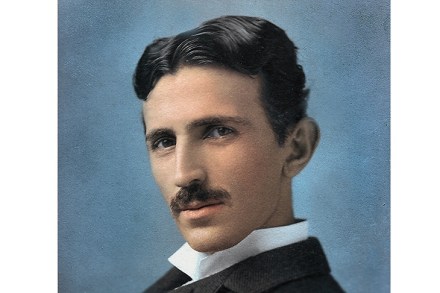
Nikola Tesla, the man who made alternating current work, wrote to J. Pierpont Morgan, the industrialist and banker. It was 1902 and Tesla was broke. ‘Am I backed by the greatest financier of all time? And shall I lose great triumphs and an immense fortune because I need a sum of money? Are you going to leave me in a hole?!! Financially, I am in a dreadful fix.’ This was not perhaps the best way of approaching a millionaire who had made his fortune in the very industry Tesla was setting out to transform. It was a time of scientific entrepreneurs and robber barons. Morgan was a man of many
One would have thought this particular can of worms might, after nearly 80 years, be well past its sell-by date. But books about Mrs Simpson and her infatuated king appear with thudding frequency, each with some ever more far-fetched theory about this curious union. Now comes the leaden hand and leaden prose of Andrew Morton, with yet another: that Wallis was, all her life, in love with another man long before, during and after her experience of vitriolic abuse, first as the besotted prince’s obsession, then scapegoat for his abdication, and object of vilification during her years as his wife. This love (to borrow words from her step-great nephew, ‘whatever
